
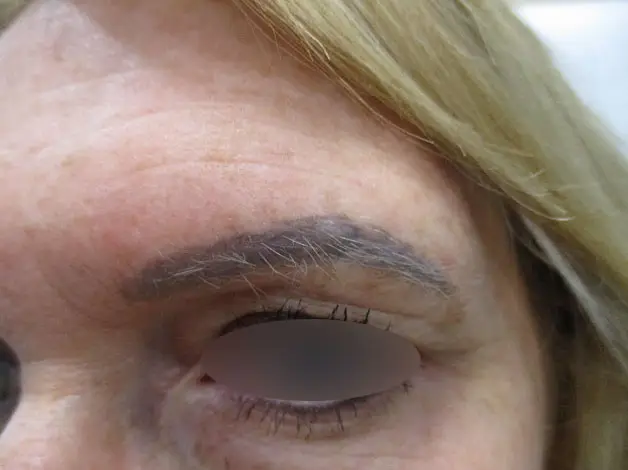
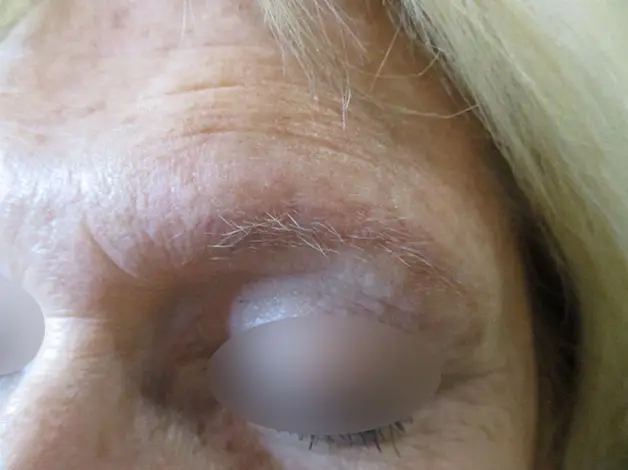
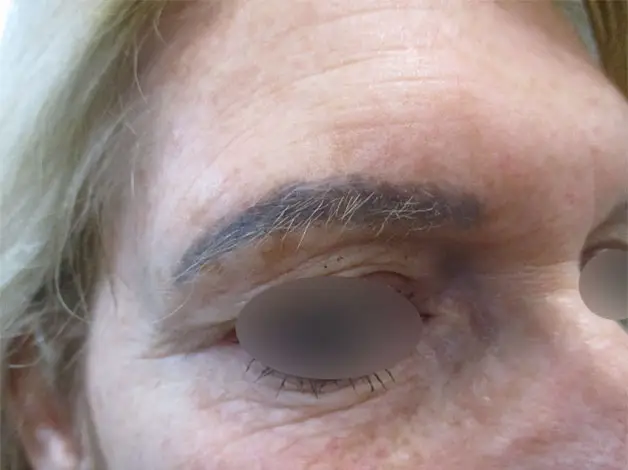
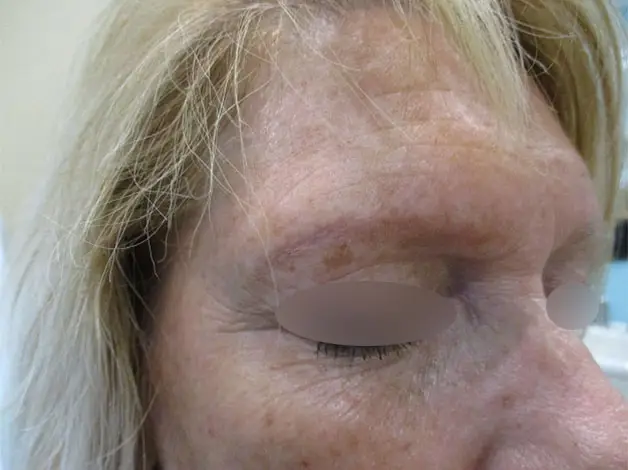
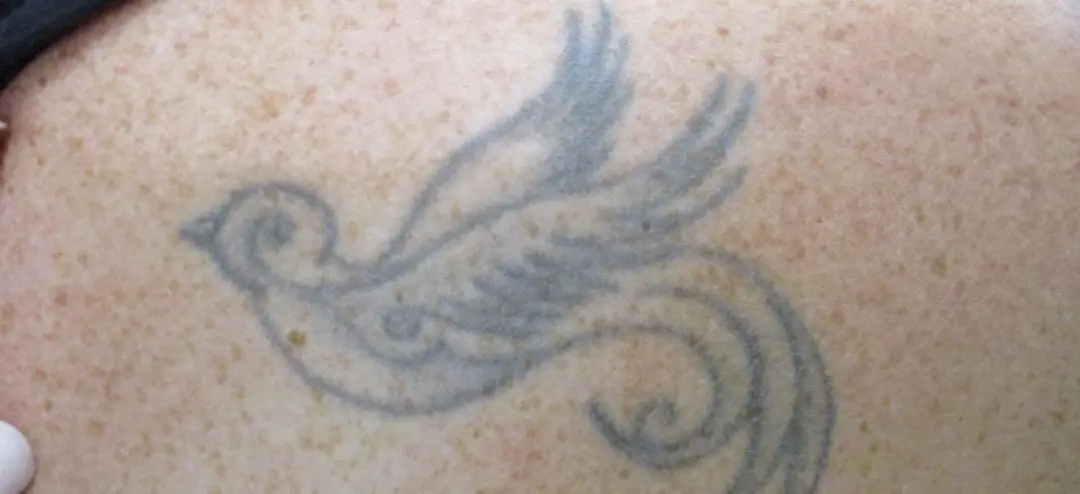
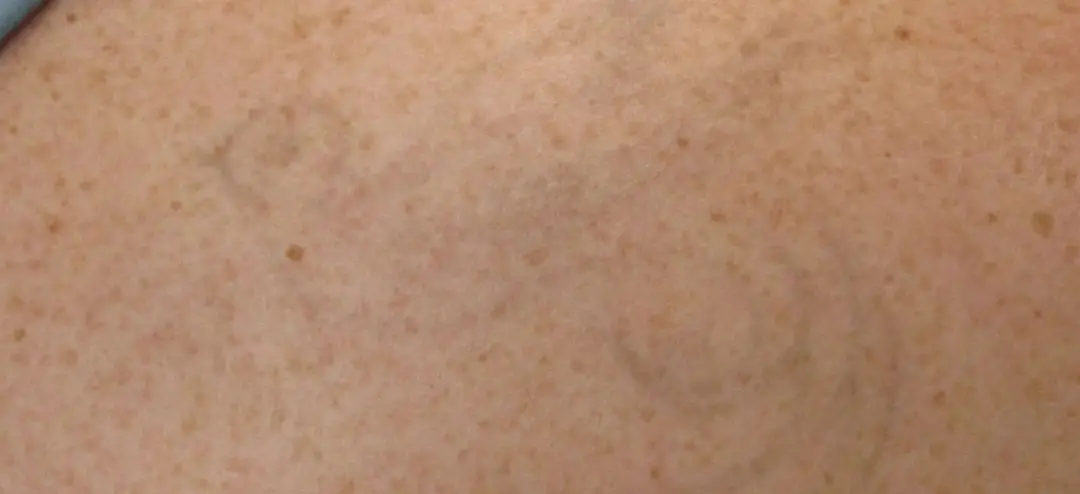
Laser tattoo removal is a nonsurgical treatment used to gradually lighten or remove unwanted tattoos. The treatment directs controlled laser energy into the tattoo pigment while limiting damage to the surrounding skin.
Most tattoos require a series of treatments because the ink is deposited in multiple layers beneath the skin. With each session, the tattoo should gradually become lighter and less noticeable.
Tattoo ink is made up of pigment particles that are too large for the body to remove naturally. During treatment, laser energy is absorbed by the ink and breaks it into much smaller particles.
The body’s immune system gradually clears these particles during the weeks following each session. Because only a portion of the ink can be safely treated at one time, multiple appointments are necessary.
Laser treatment may be used to address:
Your provider will examine the tattoo and discuss how much improvement may be possible before beginning treatment.
Tattoo colors respond differently because each pigment absorbs different wavelengths of light.
Black and dark blue ink generally respond most effectively. Green, red, yellow, turquoise and other colors can be more difficult to remove and may require additional treatments or specialized laser settings.
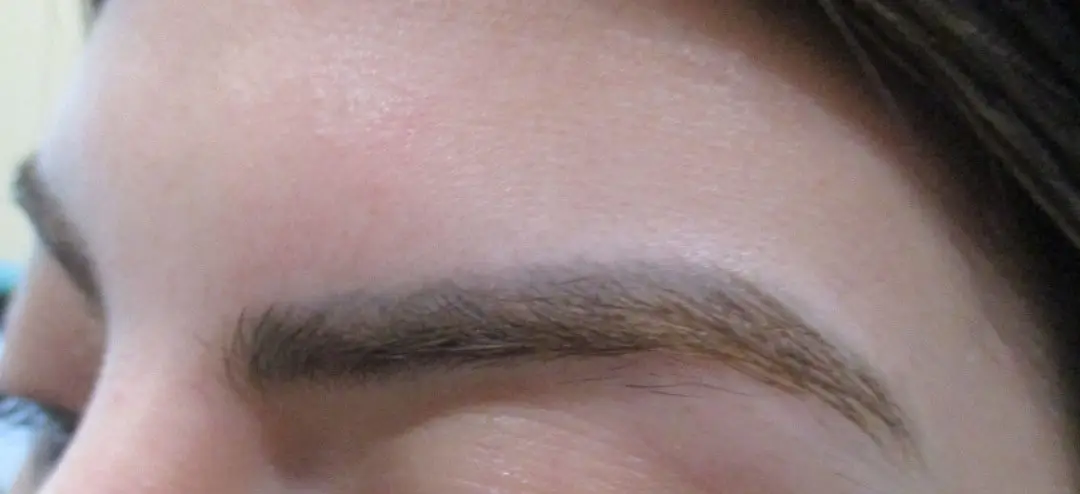
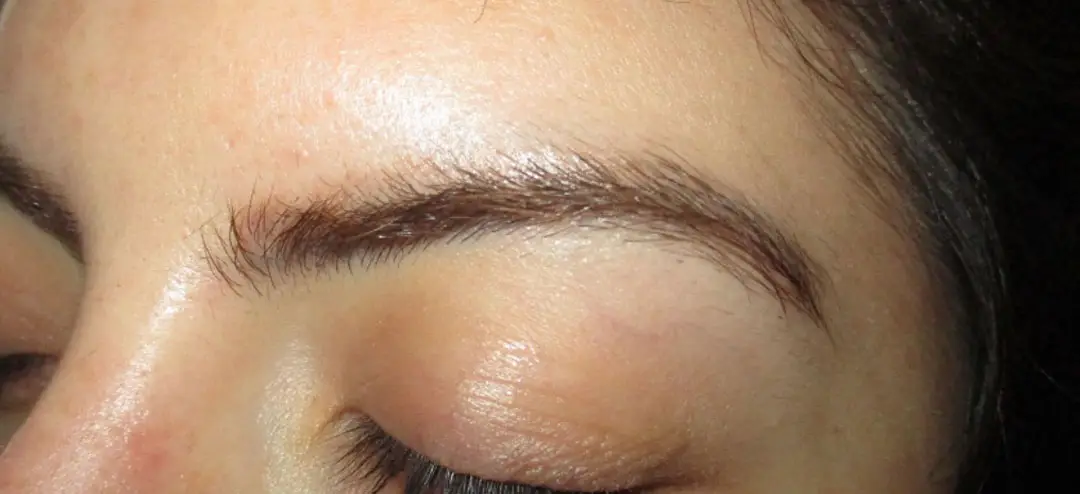
White, flesh-colored and certain cosmetic pigments require particular caution because they may darken when exposed to laser energy. A test spot may be recommended before treating the entire area.
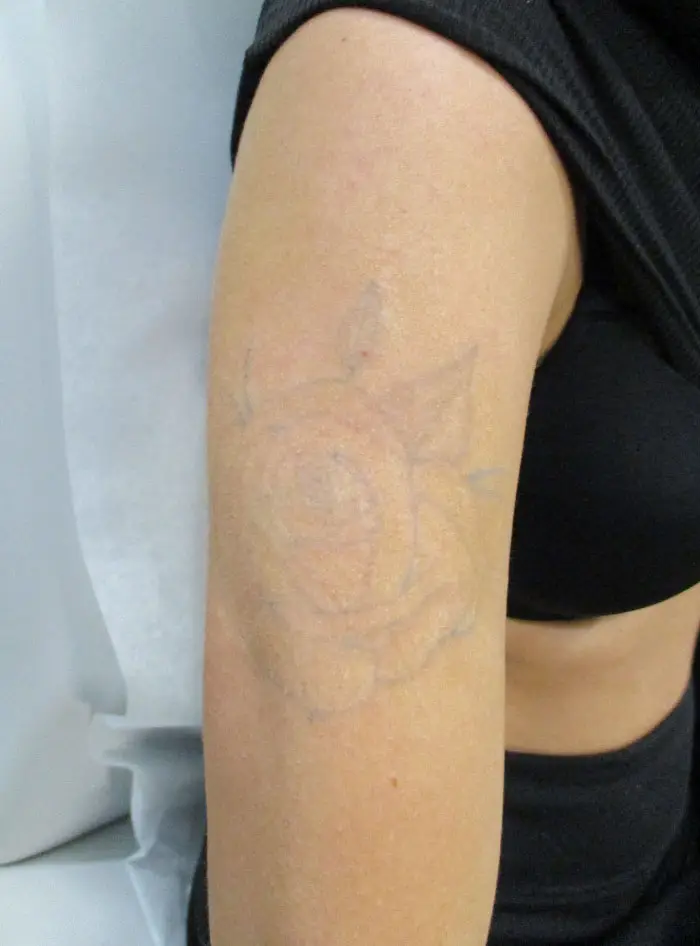
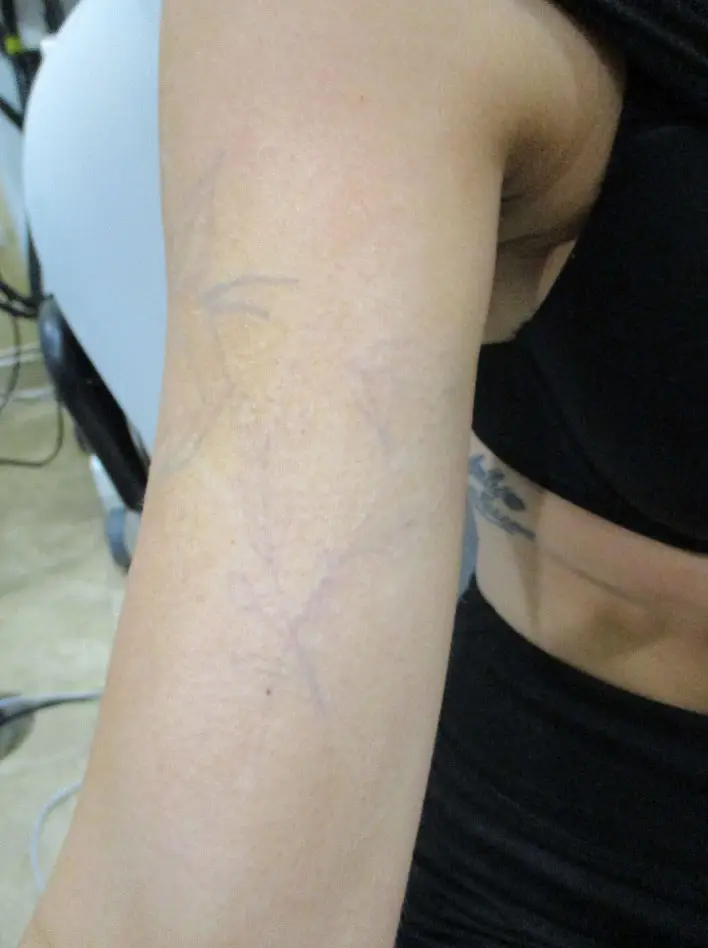
Complete removal cannot be guaranteed. Some tattoos may clear almost entirely, while others may leave behind faint pigment, a shadow of the original design or a change in skin texture or color.
The final result may be influenced by:
Your provider will set realistic expectations based on the appearance and history of your tattoo.
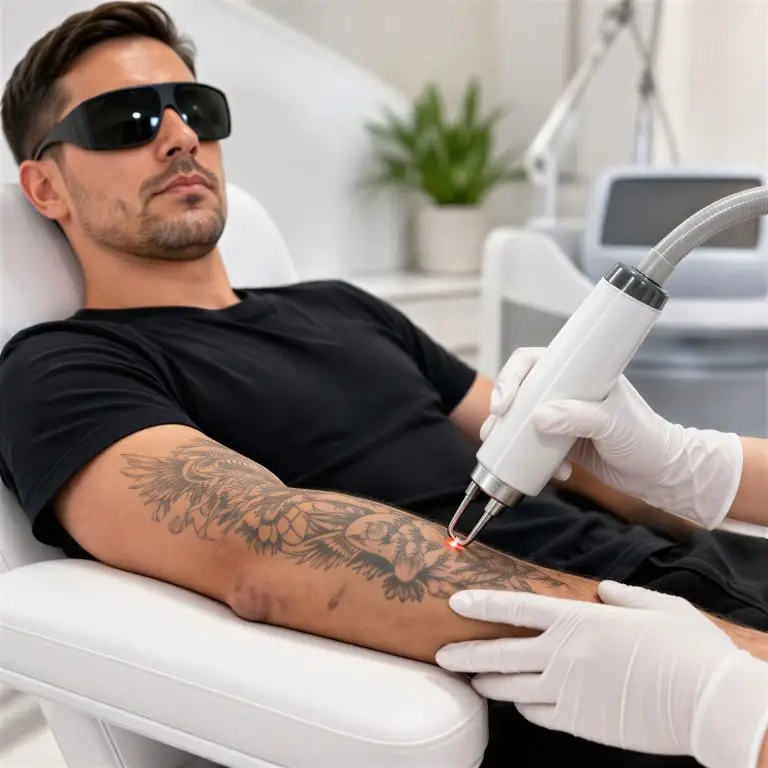
Before treatment, the tattoo and surrounding skin will be examined. Protective eyewear will be provided and the area may be cleansed and photographed to document your progress.
The laser handpiece delivers brief pulses of energy across the tattoo. The treated ink may temporarily turn white or develop a frosted appearance immediately after each pulse.
A small tattoo may take only a few minutes to treat. Larger or more detailed tattoos require longer appointments.
Laser tattoo removal can be uncomfortable. Patients often describe the sensation as repeated snaps from a rubber band, brief stinging or small bursts of heat against the skin.
Comfort measures may include:
The sensation varies based on the tattoo’s location, size, density and the laser settings required.
Approximately six to ten treatments may be needed, although some tattoos require fewer or additional sessions. Appointments must be spaced apart to allow the skin to heal and give the body time to clear fragmented ink.
The number of sessions depends on factors such as:
Your treatment plan may be adjusted as the tattoo responds.
The skin and immune system need time to recover and process the treated pigment. Sessions are generally separated by several weeks or longer.
Treating the tattoo again too soon does not necessarily remove it faster and may increase the risk of skin injury, scarring or unwanted changes in pigmentation. Your provider will recommend the safest interval based on your healing and treatment response.
The tattoo may temporarily appear darker, lighter or more noticeable immediately after treatment. Gradual fading occurs as the body clears the fragmented ink during the following weeks.
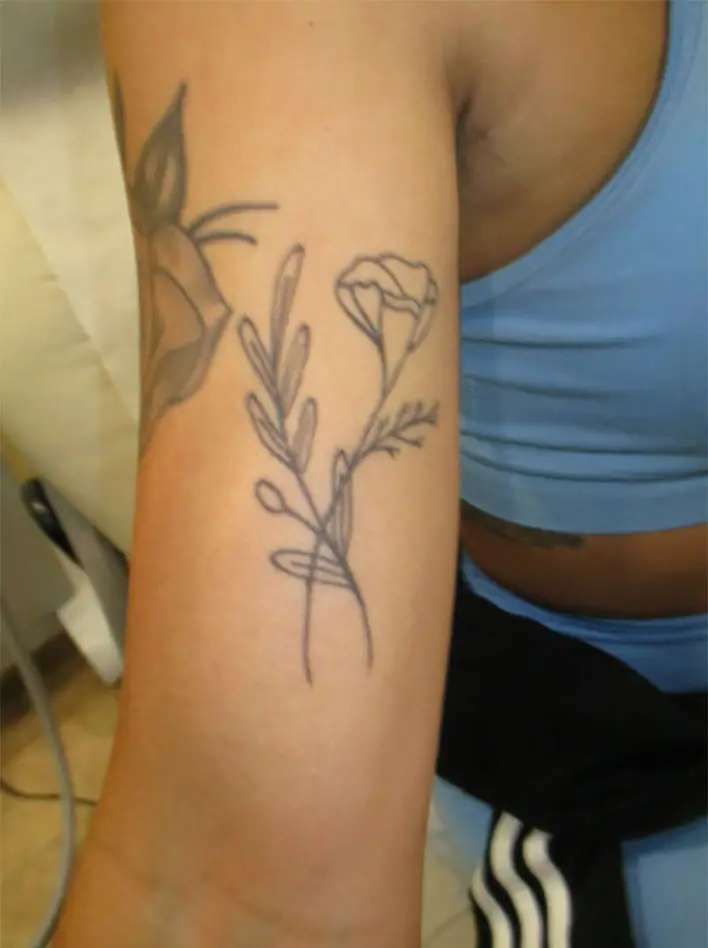
Results become easier to evaluate after the skin has healed. Most patients notice progressive lightening as additional sessions are completed.
The treated area may initially resemble a sunburn. Temporary effects can include:
These reactions are part of the healing process for many patients. Recovery time varies according to the tattoo, treatment settings and individual response.
Follow the personalized instructions provided by your treatment team.
You may be advised to:
Contact the office if you develop worsening pain, spreading redness, pus, fever or another possible sign of infection.
Before your appointment:
Treatment may need to be postponed if the area is sunburned, actively tanned, infected or not fully healed.
Possible risks of laser tattoo removal include:
The likelihood of complications can be reduced through careful evaluation, appropriate laser settings, proper aftercare and adequate healing time between sessions.
Laser tattoo removal may need to be delayed or avoided if you:
Provide a complete medical history so your provider can determine whether treatment can be performed safely.
Laser treatment does not always have to remove the entire tattoo. A limited number of sessions may lighten dark or dense areas enough to give a tattoo artist greater flexibility when creating a cover-up design.
Tell your provider when lightening rather than complete removal is your goal so the treatment plan can be adjusted accordingly.
Do not use tattoo-removal creams, acids, salt treatments or do-it-yourself removal kits. These products cannot reliably reach pigment deposited deep within the skin and may cause chemical burns, infections, discoloration or permanent scars.
Professional evaluation is the safest way to determine which removal method is appropriate.
Laser tattoo removal provides a gradual, nonsurgical approach to lightening or removing unwanted ink. The Dermatology Clinic can evaluate your tattoo, discuss the results you can realistically expect and create a personalized treatment plan based on its colors, size, location and depth. Contact us today to get scheduled.
We would love to get started on a solution that perfectly fits your needs.