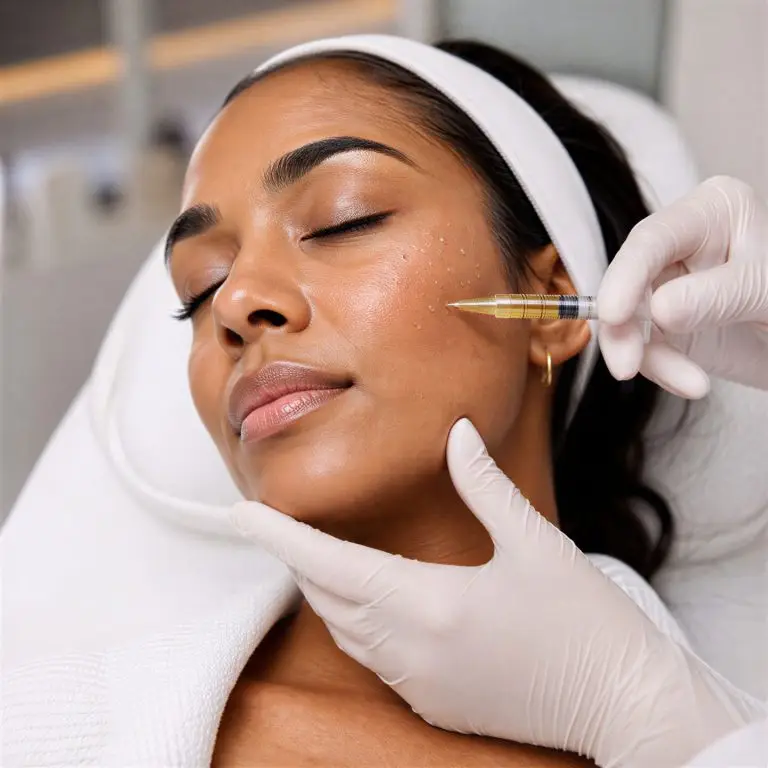
Platelet-rich plasma or PRP, is an optional treatment enhancement made from a concentrated portion of your own blood. It may be used alongside selected microneedling, radiofrequency, laser or resurfacing procedures to support the skin’s natural healing response.
PRP contains platelets and growth factors involved in tissue repair. When applied during an aesthetic procedure, it may help support collagen production, skin renewal and recovery. Results vary and PRP is generally used as a complement to another treatment rather than as a replacement for proven skin-care or dermatologic therapies.
Blood contains red blood cells, white blood cells, platelets and plasma. Plasma is the liquid portion of the blood, while platelets are cell fragments that play an important role in clotting and healing.
PRP is created by processing a sample of your blood to separate its components and concentrate the platelets within the plasma. The finished product is platelet-rich plasma — not blood serum — and is prepared specifically for use during your treatment.
A small amount of blood is drawn from a vein in your arm and placed into a specialized collection tube. The tube is then spun in a centrifuge, which separates the blood components according to their density.
The platelet-rich portion is collected and prepared for use during your aesthetic procedure. Preparation methods and platelet concentrations can vary, which is one reason responses to PRP are not identical among patients.
Platelets contain growth factors and other proteins involved in healing and tissue repair. These substances may support cellular activity and collagen production when platelet-rich plasma is introduced into a treatment area.
PRP is commonly paired with procedures that create a controlled healing response within the skin. The procedure stimulates renewal, while PRP may provide additional biological signals that support the recovery and remodeling process.
Research into cosmetic PRP continues and there is not yet one standardized method of preparation or treatment. Some patients notice meaningful improvement, while others experience more subtle changes or no clear additional benefit.
When combined with an appropriate aesthetic procedure, PRP may help support improvement in the appearance of:
The degree of improvement depends primarily on the procedure being performed, the concern being treated, the treatment intensity, your skin and your natural healing response.
PRP cannot produce the lifting of surgery, replace lost facial volume like a dermal filler or guarantee correction of deep scars, significant wrinkles or advanced skin laxity.
The Dermatology Clinic may offer PRP as an enhancement with selected procedures, including:
Each treatment works differently and has its own indications, preparation requirements, recovery period and risks. PRP does not make every procedure appropriate for every patient.
The FDA has not cleared microneedling devices specifically for use with PRP or another topical product. This means the FDA has not reviewed the safety or effectiveness of the combined use as part of the microneedling device’s clearance. Your provider should explain the proposed combination, potential benefits, alternatives and risks during your consultation.
Your appointment begins with an evaluation of your skin, medical history, medications, current products and treatment goals. The treatment area is cleansed and any preparation required for the primary procedure is completed.
A small blood sample is drawn and processed in a centrifuge while your skin is being prepared. Once the platelet-rich plasma is ready, your provider performs the selected microneedling, radiofrequency, laser or resurfacing treatment.
The prepared PRP is then applied to the treated skin according to the clinic’s protocol. Temporary channels or controlled injuries created by the primary procedure may allow the PRP to remain in closer contact with the treated tissue.
The appointment length depends on the procedure, the size of the treatment area and the time needed to prepare the PRP.
The blood draw may feel like a brief pinch or sting. Discomfort during the remainder of the appointment is usually related to the primary procedure rather than the PRP itself.
Depending on the treatment, you may experience:
Topical numbing medication or another comfort measure may be used when appropriate. Tell your provider about allergies or previous reactions to local or topical anesthetics before treatment.
PRP does not create an immediate facelift or dramatic overnight change. Temporary swelling may initially make the skin appear slightly firmer or fuller, but this early effect is not the final result.
Once the initial redness and swelling resolve, the skin may appear smoother or more refreshed. Additional improvement may develop gradually over the following weeks and months as the skin heals and produces new collagen.
The timing of results depends on:
Some patients experience improvement after one appointment, while others require a series. PRP cannot be guaranteed to produce an additional visible benefit beyond the primary treatment.
The recommended schedule is usually determined by the procedure being enhanced. Microneedling and other skin-renewal treatments are often performed as a series, with enough time between appointments for healing and collagen remodeling.
Your provider will recommend the number and spacing of treatments based on your concerns, the technology being used, your response and your desired outcome.
Maintenance procedures may be recommended because aesthetic improvements can gradually change with aging, sun exposure and environmental damage.
Downtime is determined mainly by the microneedling, radiofrequency, laser or resurfacing procedure performed with PRP. A lighter treatment may cause only brief redness, while deeper resurfacing can require a more involved recovery.
Temporary effects may include:
The current clinic page notes that some patients may look as though they have a moderate to severe sunburn for approximately two days. Recovery can be shorter or longer depending on the primary procedure and treatment intensity.
Preparation instructions depend on the procedure being performed. Before your appointment:
Do not stop aspirin, anticoagulants, anti-inflammatory medications or another prescribed treatment unless the healthcare professional who prescribed it tells you to do so.
Certain blood conditions and blood-thinning medications can affect candidacy for PRP or the primary procedure
Follow the instructions provided for the primary procedure. Freshly treated skin may be more sensitive to sunlight, heat, cosmetics and active ingredients.
You may be advised to:
Products that were comfortable before treatment may temporarily sting when applied to freshly treated skin. Contact the clinic before using an unapproved product during recovery.
Because PRP comes from your own blood, it does not carry the same risk of rejection associated with donor material. However, PRP preparation, the blood draw and the primary procedure still involve potential risks.
Possible effects include:
Additional risks depend on the procedure performed. Microneedling, radiofrequency treatment and laser resurfacing may cause prolonged redness, pigment changes, burns, scarring, cold-sore reactivation, infection or changes in skin texture.
Sterile blood handling, single-use supplies, careful device cleaning, appropriate treatment settings and proper aftercare are essential.
Contact the clinic if you develop:
Some redness, tenderness and swelling may be expected, but symptoms that become progressively more severe should be evaluated.
PRP may be considered for adults who are already appropriate candidates for the selected microneedling, radiofrequency, laser or resurfacing procedure and want to add an autologous treatment enhancement.
Good candidates generally:
PRP should not be presented as appropriate for almost everyone. Candidacy depends on both the patient’s health and the procedure being combined with it.
PRP or the accompanying procedure may need to be postponed or avoided if you:
The exact restrictions vary according to the primary procedure. Provide a complete health and medication history so your provider can determine whether treatment can be performed safely.
PRP itself does not target melanin with laser or light energy. However, the primary procedure may still carry a risk of inflammation, burns or temporary and lasting pigment changes.
Treatment settings and recovery instructions should be customized according to your natural skin tone, history of post-inflammatory discoloration and the technology being used. PRP should not be assumed to eliminate the pigmentation risks associated with microneedling, radiofrequency or laser resurfacing.
PRP is prepared from your own blood rather than manufactured as a dermal filler, medication or cosmetic serum. Its role is to complement the healing response created by another procedure.
It does not add structural volume like a filler, relax facial muscles like botulinum toxin or resurface the skin on its own. The overall result depends on the underlying treatment and how your skin responds during the healing process.
Platelet-rich plasma may provide an additional way to support skin renewal when combined with selected microneedling, radiofrequency, laser or resurfacing procedures. The Dermatology Clinic can evaluate your skin, medical history and aesthetic goals; explain the expected benefits and limitations of PRP; and determine whether it is an appropriate enhancement for your personalized treatment plan. Contact us today to get scheduled.
We would love to get started on a solution that perfectly fits your needs.