
Sclerotherapy is a minimally invasive injectable treatment used to reduce unwanted spider veins and selected small varicose veins, particularly on the legs. It offers a nonsurgical way to improve the appearance of visible veins with little interruption to your regular activities.
During treatment, a prescription solution called a sclerosant is injected directly into the targeted vein. The Dermatology Clinic may use Asclera®, a polidocanol-based medication approved for treating uncomplicated spider and reticular veins in the lower legs.
The injected solution irritates the inner lining of the targeted vein, causing the vessel to close. Blood is naturally redirected through healthier veins, while the treated vessel is gradually broken down and absorbed by the body.
The vein fades progressively rather than disappearing immediately. Smaller spider veins may respond more quickly, while larger or deeper veins may require additional healing time and treatment sessions.
Sclerotherapy may be recommended for:
Asclera is specifically indicated for uncomplicated spider veins and small reticular veins in the lower extremities. Larger, bulging, painful or symptomatic varicose veins may require ultrasound evaluation or another type of vein treatment.
Before treatment, your provider will examine the visible veins and review your medical history. You may be asked to stand briefly so the veins can be evaluated and marked before lying down for the procedure.
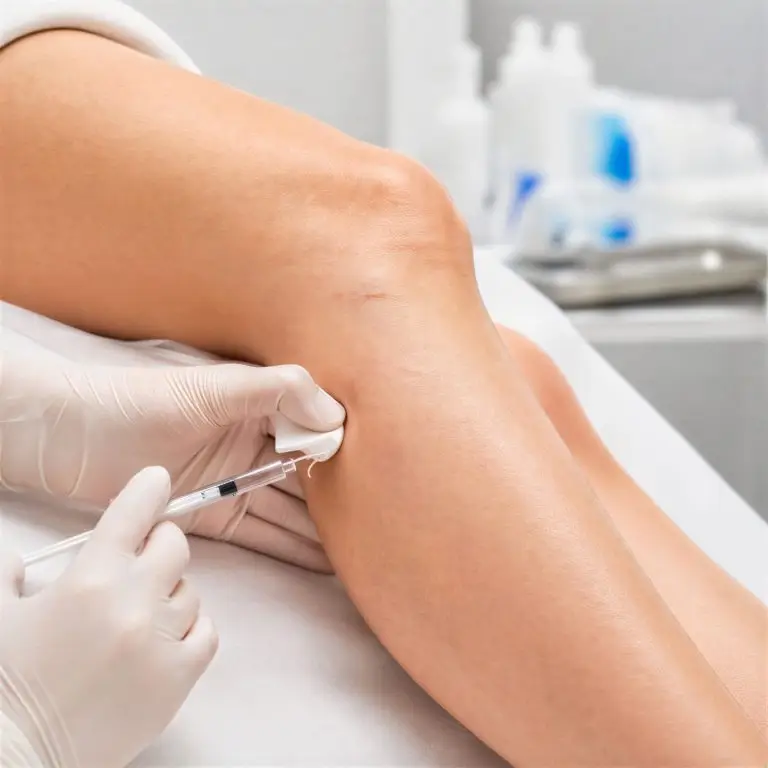
The skin is cleansed and a very fine needle is used to inject small amounts of sclerosant into the targeted vessels. The number of injections depends on the size and number of veins being treated.
After the injections, pressure may be applied to the area and compression stockings or a bandage may be placed over the treated veins.
Most patients tolerate sclerotherapy well. You may feel a quick needle prick followed by mild stinging, burning, warmth or cramping as the solution enters the vein.
These sensations are generally brief. Tell your provider immediately if you experience significant pain during an injection so the area can be evaluated.
A sclerotherapy appointment commonly takes approximately 15 to 45 minutes. The exact treatment time depends on the number, size and location of the veins being addressed.
Larger treatment areas may need to be divided across multiple appointments to limit the total amount of medication used during a single session.
Some small veins may improve after one treatment, but multiple sessions are often necessary to achieve the desired result.
The number of treatments needed depends on:
Your provider will evaluate your progress before recommending another session. Treatments are generally spaced several weeks apart to allow the veins time to respond and the skin to recover.
Small spider veins may begin fading within approximately three to six weeks. Larger treated veins may require several months to show their full response.
The veins may temporarily appear darker, more noticeable or slightly raised before they begin to fade. Results develop gradually as the body clears the closed vessels.
Veins that respond successfully to sclerotherapy generally remain closed. However, treatment cannot prevent new spider or varicose veins from developing in the future.
Genetics, pregnancy, hormonal changes, aging, prolonged standing, weight changes and underlying circulation problems may contribute to the formation of new veins. Periodic maintenance treatments may be recommended.
Most patients can return to work and resume light daily activities on the same day. Walking is generally encouraged shortly after treatment to support healthy circulation.
Temporary effects may include:
These effects usually improve gradually, although discoloration or firmness may take several weeks or months to resolve.
Compression stockings place gentle pressure on the treated veins, helping keep them closed while they heal. Compression may also reduce swelling, discomfort and the risk of blood becoming trapped within a treated vessel.
The Dermatology Clinic generally recommends wearing support or compression stockings for a period after treatment. The type of stocking and length of use will depend on the veins treated and your provider’s instructions.
Because compression stockings can feel warm, many patients prefer scheduling sclerotherapy during the fall or winter months.
Before your appointment:
Do not stop a prescribed medication unless the healthcare professional who prescribed it tells you to do so.
Follow the personalized instructions provided by your treatment team.
You may be advised to:
Walking is encouraged, but vigorous exercise and activities that place significant pressure on the treated veins may need to be postponed.
Common side effects include bruising, swelling, tenderness, itching, temporary pigmentation and firmness along the treated vein.
Less common complications may include:
Careful injection technique, appropriate patient selection, compression and following aftercare instructions can help reduce these risks.
Contact the clinic promptly if you develop increasing pain, significant swelling, worsening redness, drainage, an open sore or darkening of the skin near an injection site.
Seek immediate medical attention for symptoms such as:
Although serious complications are uncommon, these symptoms require urgent evaluation.
Sclerotherapy may be appropriate for adults who are bothered by visible spider or small reticular veins and want a nonsurgical treatment with minimal downtime.
Good candidates generally:
A consultation is necessary to determine whether sclerotherapy or another vein treatment is the safest and most effective option.
Sclerotherapy may need to be postponed or avoided if you:
Tell your provider if you take hormonal medications, have recently traveled for an extended period or have a personal or family history of blood clots.
Sclerotherapy may treat certain small varicose veins, but symptoms such as aching, heaviness, swelling, cramping, skin discoloration or open sores may indicate underlying venous insufficiency.
Patients with these symptoms may need a medical vein evaluation or ultrasound before cosmetic treatment. Larger veins may respond better to catheter-based treatment, phlebectomy or another vascular procedure.
Sclerotherapy provides an effective, minimally invasive way to reduce spider veins and selected small varicose veins of the legs. The Dermatology Clinic can evaluate your veins, determine whether injectable treatment is appropriate and develop a personalized plan based on your circulation, medical history and cosmetic goals. Contact us today to get scheduled.
We would love to get started on a solution that perfectly fits your needs.