Actinic keratoses, commonly called AKs, are rough or scaly growths that develop after repeated exposure to ultraviolet light. They are considered precancerous because some can progress to squamous cell carcinoma.
AKs are especially common on areas that receive frequent sun exposure. Treating them can remove damaged cells and reduce the likelihood that an affected spot will develop into skin cancer.
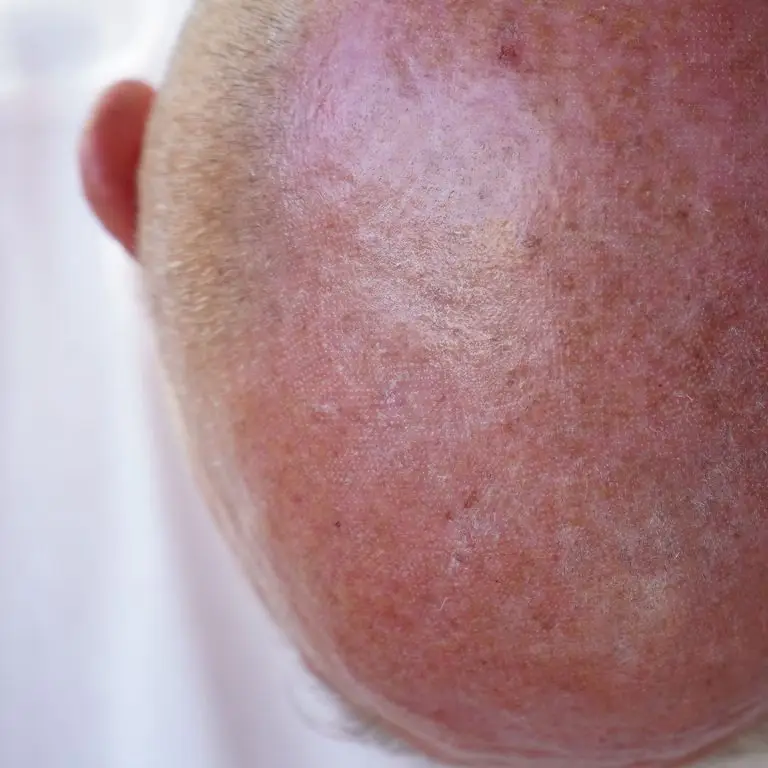
An actinic keratosis may be easier to feel than to see. It often begins as a rough patch that feels similar to sandpaper.
AKs may appear:
They commonly develop on the:
An AK may itch, sting, burn, feel tender or bleed. Some fade and later return, while others gradually become thicker.
Actinic keratoses are caused by accumulated damage from ultraviolet radiation. This damage may come from natural sunlight, tanning beds or sunlamps.
The likelihood of developing AKs increases with age and the total amount of ultraviolet exposure a person has received. People may also have an increased risk if they have fair skin, a history of frequent sunburns, outdoor occupations or activities, or a weakened immune system.
People of all skin tones can develop actinic keratoses.
Not every actinic keratosis becomes cancerous, and it is not possible to predict which individual growth will progress. For that reason, dermatology providers commonly recommend treating visible AKs and monitoring the surrounding sun-damaged skin.
A spot deserves prompt evaluation if it:
These changes do not always mean cancer is present, but they should be examined.
A dermatologist can often recognize an AK by examining and feeling the skin. A dermatoscope may be used to view the growth more closely.
If the area is unusually thick, tender, rapidly changing or difficult to distinguish from skin cancer, your provider may perform a skin biopsy.
Treatment depends on the number, thickness and location of the growths and the extent of surrounding sun damage.
Options may include:
Some treatments target an individual growth, while field therapy treats a larger area containing visible and early developing AKs.
Redness, peeling, crusting or temporary discomfort may occur as damaged cells are destroyed and the skin heals.
Protecting your skin from ultraviolet light can help reduce the development of new AKs.
Use broad-spectrum sunscreen, wear protective clothing and seek shade when possible. Avoid tanning beds and examine your skin regularly for new, changing or nonhealing areas.
Actinic keratoses can resemble ordinary dry skin, warts or early skin cancer. The Dermatology Clinic can evaluate suspicious areas, provide treatment and recommend an appropriate skin-examination schedule. Contact us today to get scheduled.
We would love to get started on a solution that perfectly fits your needs.