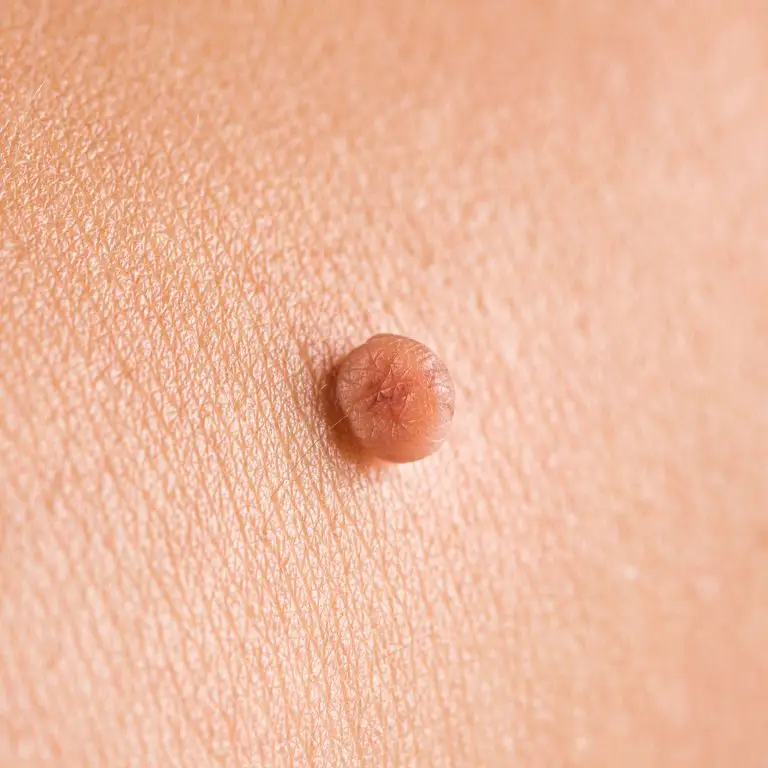
Skin growths are extremely common and may appear at any age. Many common growths are harmless, but similar-looking growths can have very different causes and may require different forms of treatment.
A dermatology examination can identify the type of growth, determine whether a biopsy is necessary and explain the safest removal options.
Frequently evaluated growths include:
Some growths develop on the surface of the skin, while others form beneath it. They may remain unchanged for years or gradually increase in size.
The appearance depends on the type of growth.
Other growths may be rough, waxy, scaly, pigmented or wart-like.
Schedule an evaluation if a growth:
A painful, warm or draining lump may be inflamed or infected. Do not squeeze it, as this can worsen inflammation and push material deeper into the skin.
Many common growths can be identified during a visual examination. Your provider may also feel the area to evaluate its depth, firmness and mobility.
A dermatoscope may be used for pigmented or surface-level growths. If the diagnosis is uncertain or the lesion has suspicious features, a biopsy may be recommended.
Imaging is rarely necessary but may be considered for a large, deep or rapidly enlarging mass.
Harmless growths may not need treatment. Removal may be considered when a growth is irritated, painful, infected, changing or cosmetically bothersome.
Treatment may include:
The technique depends on the diagnosis and the growth’s size, depth and location.
It is not always possible to identify a skin growth from appearance alone. The Dermatology Clinic can determine what the growth is, assess whether it needs testing and recommend appropriate treatment or monitoring. Contact us today to get scheduled.
We would love to get started on a solution that perfectly fits your needs.