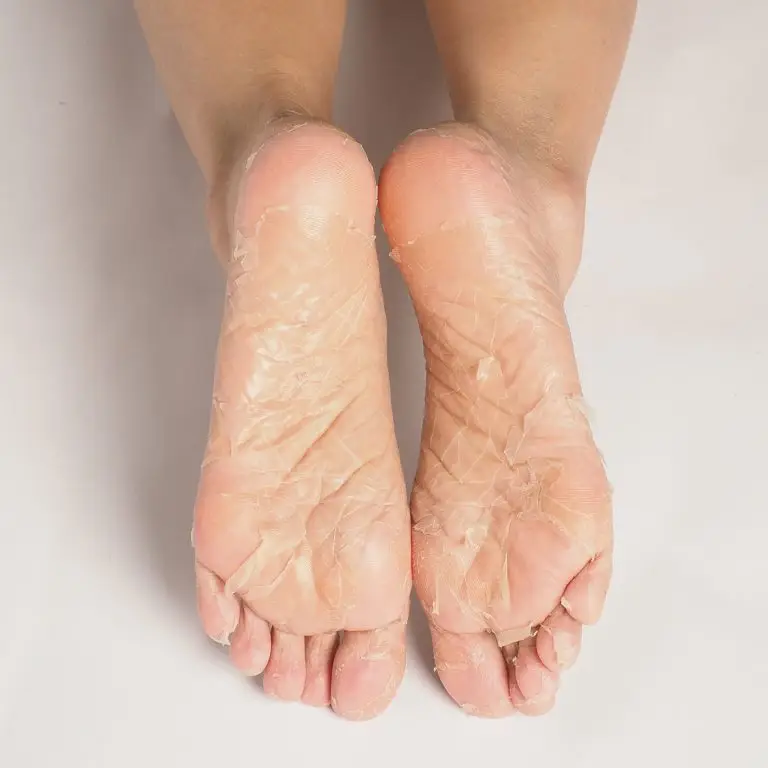
Dry skin develops when the outer layer of the skin loses too much water and oil. It may feel tight, rough, itchy or uncomfortable and can affect people of any age.
Mild dryness often improves with changes to bathing and moisturizing. Persistent or severe dryness may be caused by eczema, psoriasis, medication, environmental exposure or another underlying condition.
Dry skin may cause:
The hands, lower legs, feet, arms and sides of the abdomen are commonly affected, although dryness can occur anywhere.
Repeated scratching may thicken the skin and increase the risk of infection.
Possible causes include:
More than one factor may be involved.
Schedule an examination when dryness:
A rash that appears dry may actually be eczema, psoriasis, ringworm or allergic contact dermatitis.
Treatment is based on the cause and severity.
Your plan may include:
Creams and ointments generally retain more moisture than thin lotions.
Bathe or shower with lukewarm water and limit the amount of time spent in the water. Use a mild fragrance-free cleanser only where needed.
Gently pat the skin dry and apply moisturizer while the skin remains slightly damp. Reapply it throughout the day, particularly after washing your hands.
Wear gloves when cleaning or working with water and protect exposed skin during cold or windy weather.
Dry, itchy skin can have many causes and may require more than an over-the-counter lotion. The Dermatology Clinic can identify contributing factors and create a personalized plan to restore and protect your skin barrier. Contact us today to get scheduled.
We would love to get started on a solution that perfectly fits your needs.