
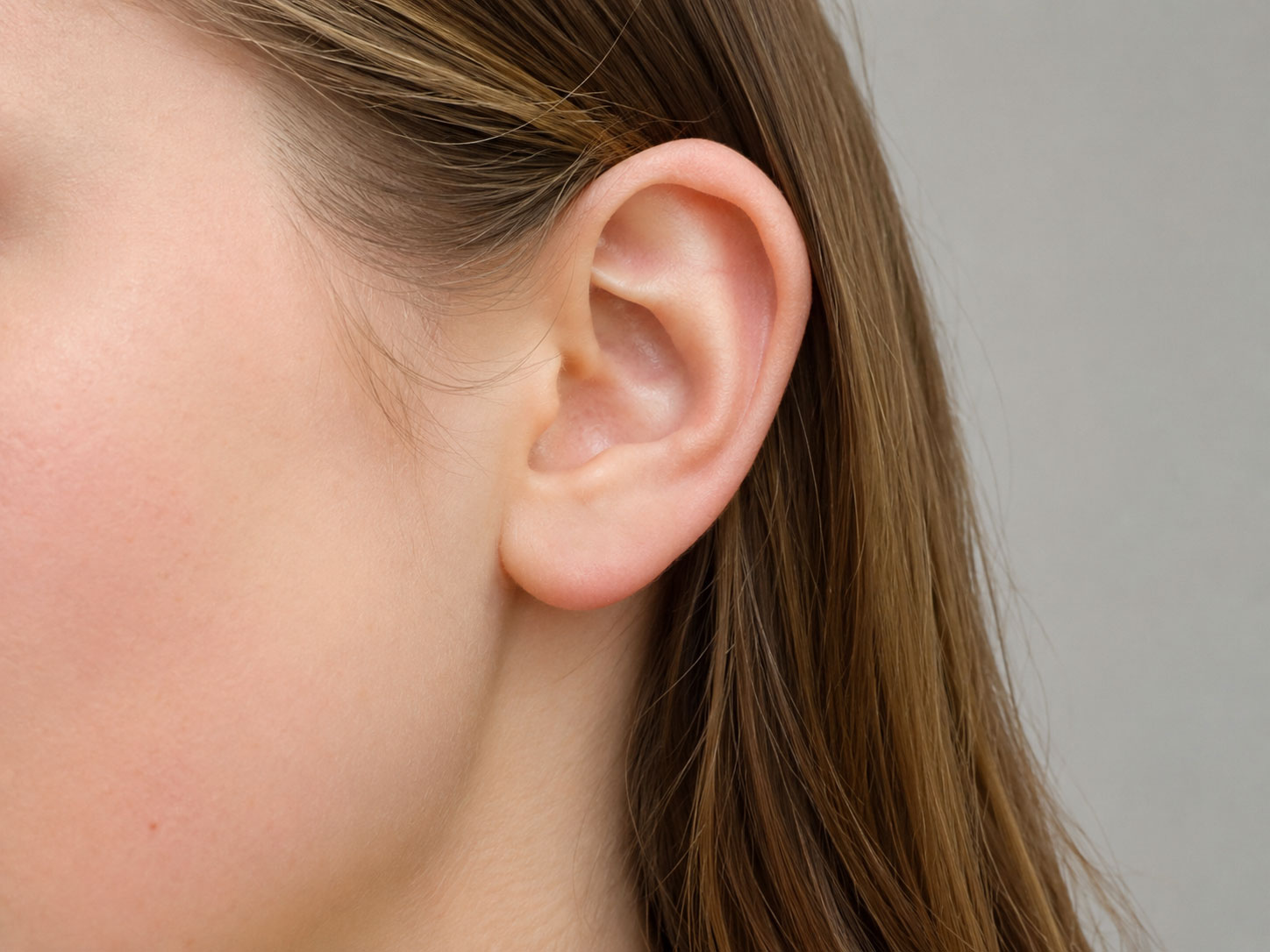
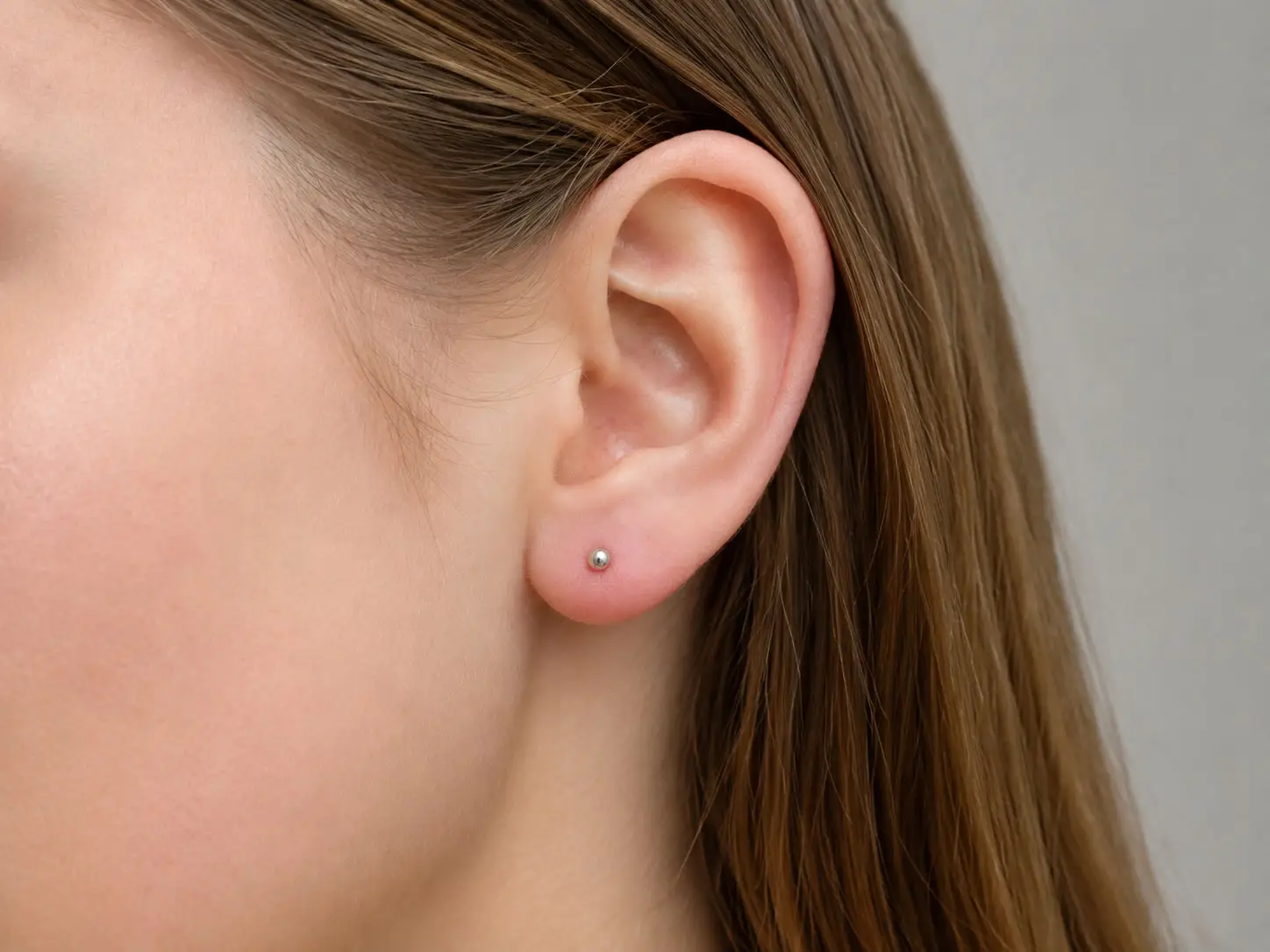
Ear piercing is a quick way to add earrings while having the placement and condition of the earlobes evaluated in a clinical setting.
The Dermatology Clinic offers earlobe piercing for adults and children age 6 months and older. Piercing of the ear cartilage and other areas of the body is not available through this service.
Before piercing, the earlobes are examined to make sure the skin is healthy and suitable for the procedure. The planned locations are carefully marked so you can review the placement and symmetry before proceeding.
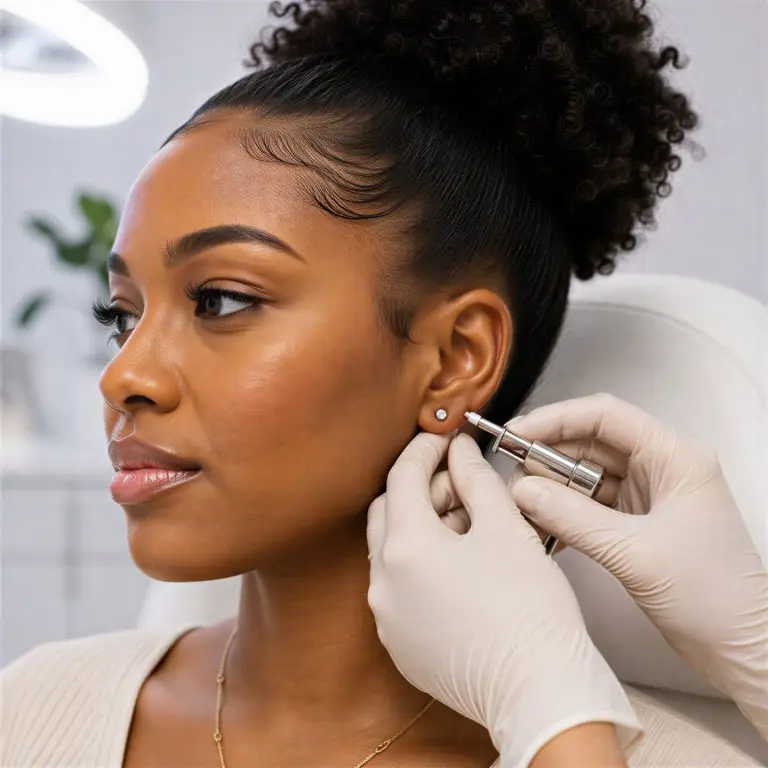
The ears are then cleansed and the piercings are performed using the clinic’s piercing technique. Starter earrings are placed immediately afterward and you will receive instructions for caring for the new piercings at home.
For children, a parent or legal guardian should contact the office before the appointment to confirm identification, consent and other requirements.
Most patients experience a brief pinch, pressure or stinging sensation when each ear is pierced. The discomfort usually lasts only a moment.
The earlobes may feel warm, tender or sensitive afterward. Young children may become upset because of the unfamiliar environment or sudden sensation, even when the procedure itself is completed quickly.
Earlobe piercings commonly require at least six weeks to heal, although complete healing may take longer. A piercing can appear healed on the outside while the tissue inside remains fragile.
Leave the starter earrings in continuously — including while sleeping — until the recommended healing period has passed and the clinic confirms they can be changed. Removing them too early may allow the openings to shrink or close.
Follow the specific aftercare instructions provided at your appointment. General recommendations may include:
Sterile saline wound wash is commonly recommended for new piercings. Alcohol, hydrogen peroxide, iodine, harsh soaps and excessive cleaning may irritate healing tissue and delay recovery.
Avoid swimming in pools, lakes, rivers, oceans and hot tubs while the piercings are healing unless your provider gives you different instructions. These environments can expose the new openings to bacteria and other contaminants.
Ask the treatment team about timing when an upcoming vacation, swim season or water activity may interfere with proper healing.
Do not replace or remove the starter earrings until the recommended healing period has passed. The American Academy of Dermatology advises leaving jewelry in a new earlobe piercing for six weeks or longer, including overnight.
When you are cleared to change the earrings, wash your hands and use clean jewelry made from a material that is unlikely to cause irritation. Continue wearing earrings regularly because even healed openings can shrink or close.
Tell your provider about any history of metal sensitivity or allergic reactions to jewelry. Nickel is a common cause of allergic reactions around pierced ears.
Jewelry made from appropriate hypoallergenic materials may lower the risk of irritation. Options commonly used for new piercings include implant-grade titanium, suitable surgical stainless steel, niobium and high-quality 14- or 18-karat gold.
The available starter-earring styles and materials can be reviewed before your appointment.
During the first several days, it can be normal to experience:
These symptoms should gradually improve. Avoid picking at crusting or forcing an earring to move if it feels tight.
Although earlobe piercing is generally less complicated than cartilage piercing, every piercing creates an opening in the skin and carries potential risks.
Possible complications include:
Proper placement, suitable jewelry, careful aftercare and avoiding unnecessary trauma can help reduce these risks.
Contact the clinic if the earlobe develops symptoms that persist or worsen, including:
Mild redness and tenderness can be expected initially, but symptoms that become progressively worse may indicate an infection and should be evaluated.
Do not automatically remove the jewelry when an infection is suspected. Contact a healthcare professional for instructions, since removing it may allow the opening to close and trap drainage beneath the skin.
A keloid is a raised scar that grows beyond the original skin injury. Ear piercing is a common trigger in people who are prone to developing keloids.
Tell your provider if you or a close blood relative has developed a keloid after a piercing, surgery, injury or acne. The American Academy of Dermatology advises people with a personal or family tendency toward keloids to consider avoiding ear piercing because another keloid may form.
Contact the clinic if the skin around a new piercing begins to thicken, become raised or grow beyond the original opening. Early evaluation may provide more treatment options.
Ear piercing may need to be postponed if the patient has:
Provide a complete medical history and list of allergies before the procedure so the clinic can determine whether piercing can be performed safely.
Before the appointment:
Do not apply numbing medication unless the clinic specifically instructs you to do so.
The Dermatology Clinic offers carefully placed earlobe piercings for adults and children age 6 months and older. The treatment team will evaluate the earlobes, review placement, perform the piercing and provide instructions to support safe healing. Contact us today to get scheduled.
We would love to get started on a solution that perfectly fits your needs.