Herpes zoster, commonly called shingles, is a painful rash caused by reactivation of the varicella-zoster virus. This is the same virus that causes chickenpox.
After chickenpox resolves, the virus remains inactive in nerve tissue and may reactivate years later. Early treatment can shorten the illness and reduce complications.
Pain, burning, tingling, itching or unusual sensitivity may begin before the rash becomes visible.
Some patients also experience:
The pain can range from mild irritation to severe burning or stabbing.
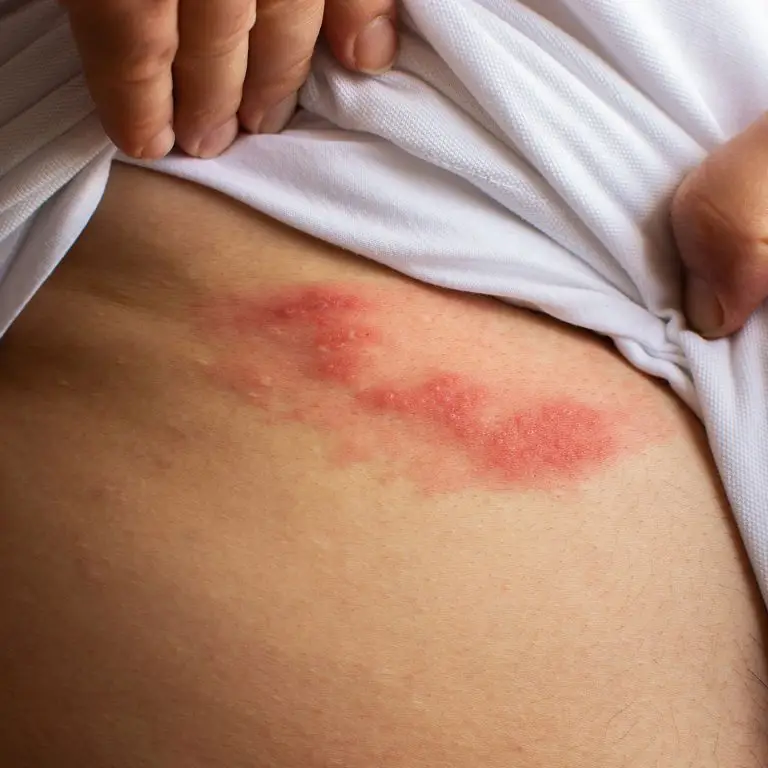
Shingles usually causes grouped fluid-filled blisters in a band on one side of the body or face. The rash follows the path of an affected nerve and generally does not cross the middle of the body.
Common locations include the:
The blisters gradually crust and heal, usually over several weeks.
Some patients experience nerve pain after the skin clears. This is called postherpetic neuralgia.
A person with shingles cannot directly give another person shingles. However, fluid from the blisters can spread the varicella-zoster virus to someone who has never had chickenpox or received chickenpox vaccination. That person could develop chickenpox.
Until the lesions have crusted:
Seek prompt medical attention when the rash:
Shingles around the eye can threaten vision and requires urgent treatment.
Treatment may include:
Antiviral medication is most effective when started promptly, so contact a healthcare provider as soon as shingles is suspected.
Vaccination can substantially reduce the likelihood of shingles and its complications. Ask your healthcare provider whether shingles vaccination is recommended for you.
A painful, blistering rash should be evaluated promptly. The Dermatology Clinic can confirm the diagnosis, prescribe treatment and identify symptoms that require additional urgent medical or eye care. Contact us today to get scheduled.
We would love to get started on a solution that perfectly fits your needs.