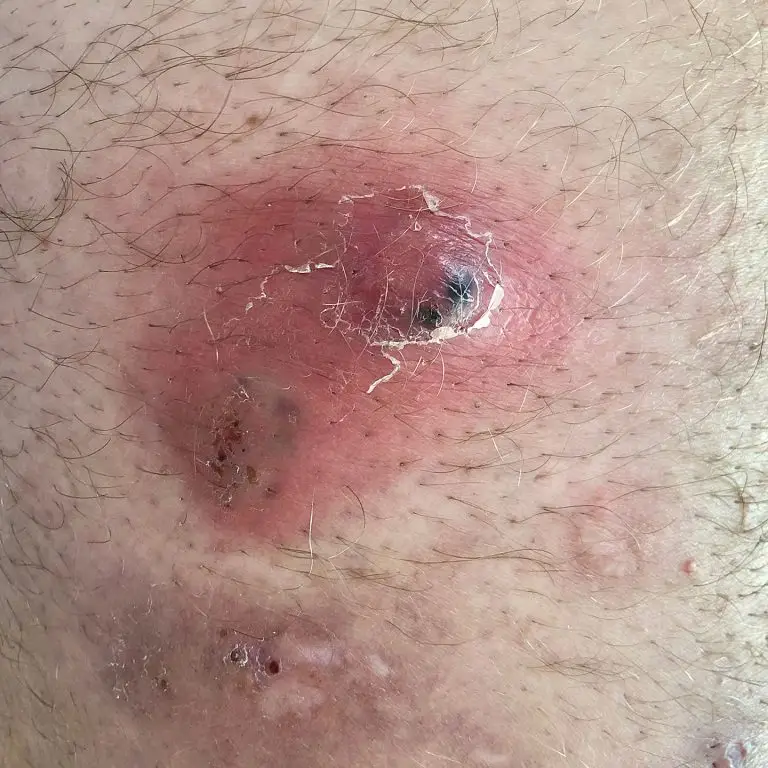
Hidradenitis suppurativa, or HS, is a chronic inflammatory condition that causes recurring painful lumps beneath the skin. It typically affects areas where skin touches skin, including the underarms, groin, buttocks and beneath the breasts.
The lumps may break open, drain and heal with scarring. Without effective treatment, repeated inflammation can lead to tunnels beneath the skin.
HS is not contagious and is not caused by poor hygiene.
HS can cause:
Common locations include the:
Early HS may resemble acne, an ingrown hair or an isolated boil. A clue is that the inflammation repeatedly develops in the same areas.
HS involves blockage and inflammation around hair follicles. The exact reason it develops is not completely understood.
Genetics, hormones and immune-system activity may contribute. Smoking and friction can worsen HS in some patients, and the condition is more common among people with excess body weight. However, HS can affect people of any weight, and it does not result from inadequate washing.
The drainage may contain bacteria, but HS itself is not primarily a bacterial infection.
There is no single test for hidradenitis suppurativa. Diagnosis is based on:
A culture may be collected when infection is suspected. A biopsy is rarely needed unless another condition must be excluded.
Because HS is sometimes mistaken for recurrent boils, diagnosis may be delayed.
Treatment depends on severity and may combine medication, procedures and daily skin care.
Options may include:
Simply draining an abscess may provide temporary relief but does not treat the underlying condition.
Avoid squeezing or attempting to drain lesions. Wear loose, breathable clothing and reduce rubbing in affected areas.
Use cleansers and dressings recommended by your provider. Warm compresses may reduce discomfort, but active inflammation often requires medical treatment.
Seek prompt care for fever, rapidly spreading redness or severe worsening pain.
Early treatment may reduce pain, drainage, scarring and the formation of additional tunnels. The Dermatology Clinic can determine the severity of your HS and develop a long-term treatment plan. Contact us today to get scheduled.
We would love to get started on a solution that perfectly fits your needs.