Laser hair removal is a noninvasive treatment that provides long-lasting reduction of unwanted hair on the face and body. It uses controlled laser energy to target the hair follicle while protecting the surrounding skin.
With each treatment, fewer hairs return and the remaining growth often becomes finer, lighter and slower. Laser hair removal can also help reduce the razor burn, irritation, folliculitis and ingrown hairs associated with shaving and other temporary hair-removal methods.
The laser targets melanin, the pigment that gives hair its color. Laser energy is absorbed by the pigment and converted into heat, damaging the follicle and reducing its ability to produce new hair.
Hair grows in repeating cycles and laser treatment is most effective during the active growth phase. Because not every follicle is active at the same time, a series of treatments is needed to target additional hairs as they enter this stage.
The Dermatology Clinic offers multiple laser technologies, allowing treatment to be customized according to your skin tone, hair color, hair thickness and treatment area.
Laser hair removal can be performed on most areas of the face and body, including the:
Laser treatment cannot be performed directly on the eyelids or over tattoos. Your provider will evaluate areas near the eyes, eyebrows, permanent makeup or pigmented skin growths before treatment.
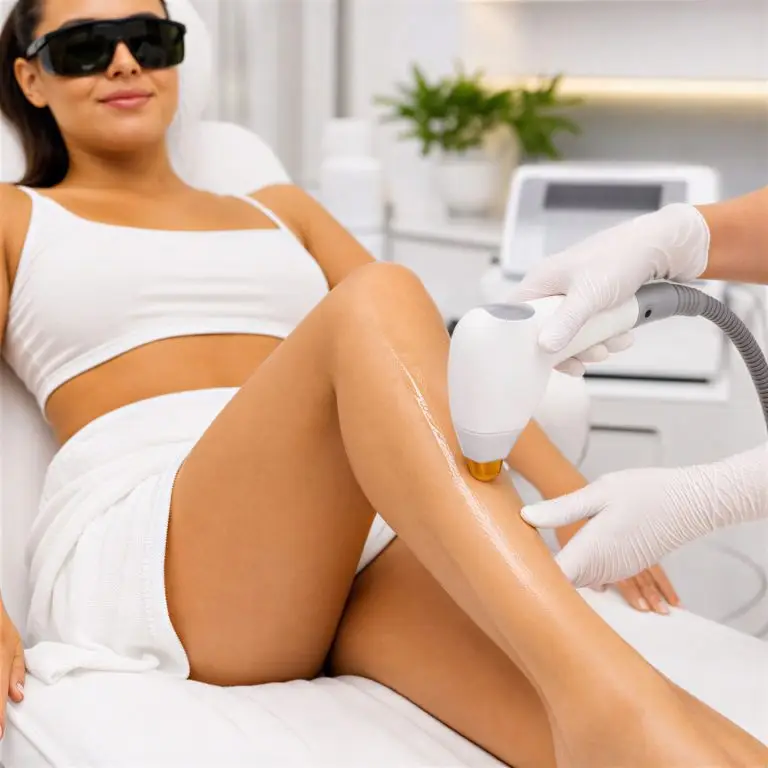
Before your procedure, the treatment area will be examined and cleansed. Your provider will select laser settings based on your natural skin tone, hair characteristics and the area being treated.
You will wear protective eyewear while the laser handpiece delivers brief pulses of energy to the hair follicles. Small areas, such as the upper lip, may take only a few minutes. Larger areas or multiple treatment zones may require up to an hour.
Most patients describe the treatment as mildly uncomfortable. Each laser pulse may feel like a quick snap, sting or burst of warmth against the skin.
Cooling technology is used to protect the skin and improve comfort. Many patients find laser treatment more comfortable than waxing, threading or electrolysis.
A series of approximately six treatments spaced four to six weeks apart is generally recommended. Some patients may require additional sessions depending on the treatment area and the characteristics of their hair.
The number of treatments needed may be influenced by:
Facial hair and hormonally influenced growth may require more sessions than coarse body hair.
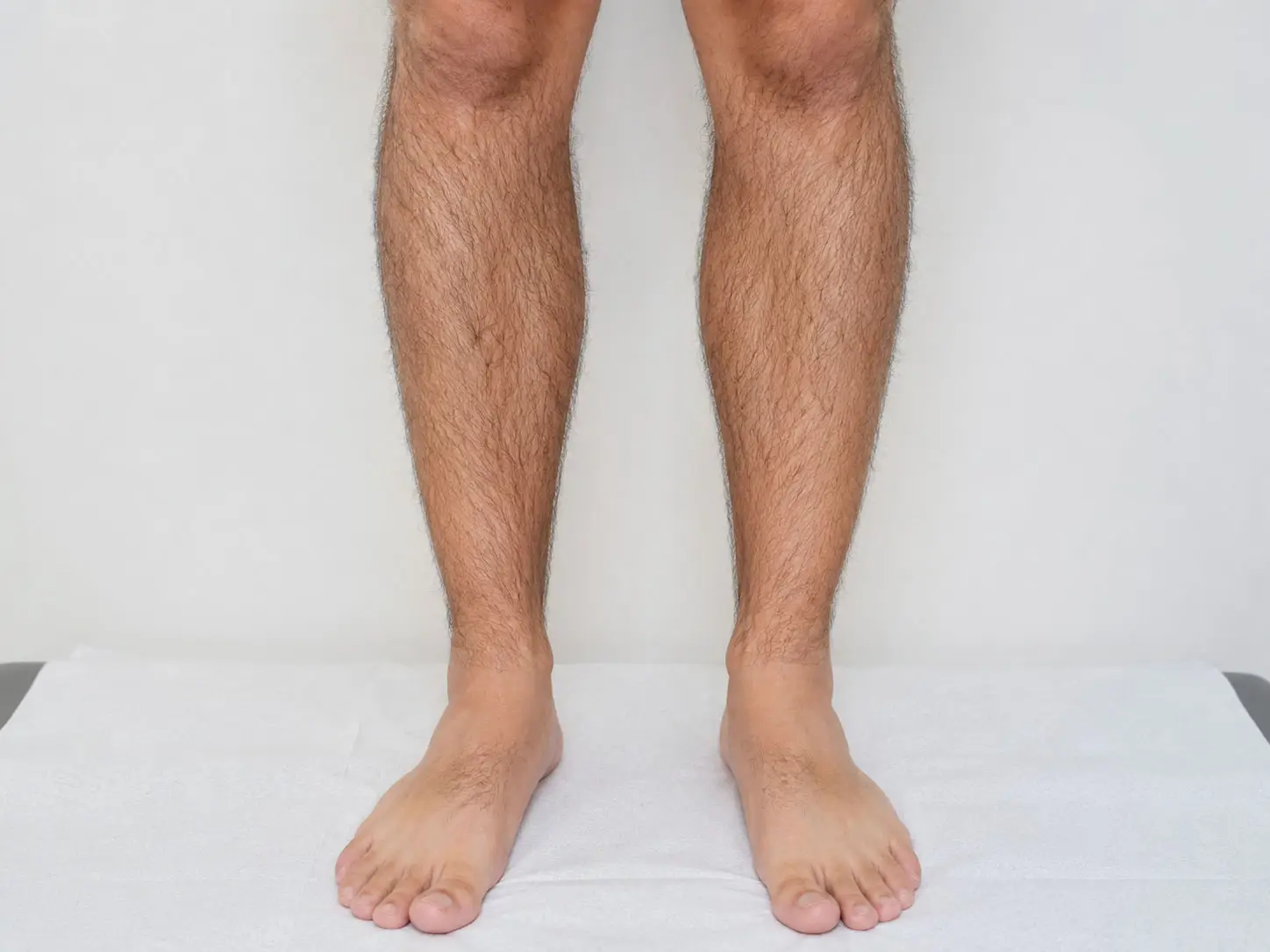
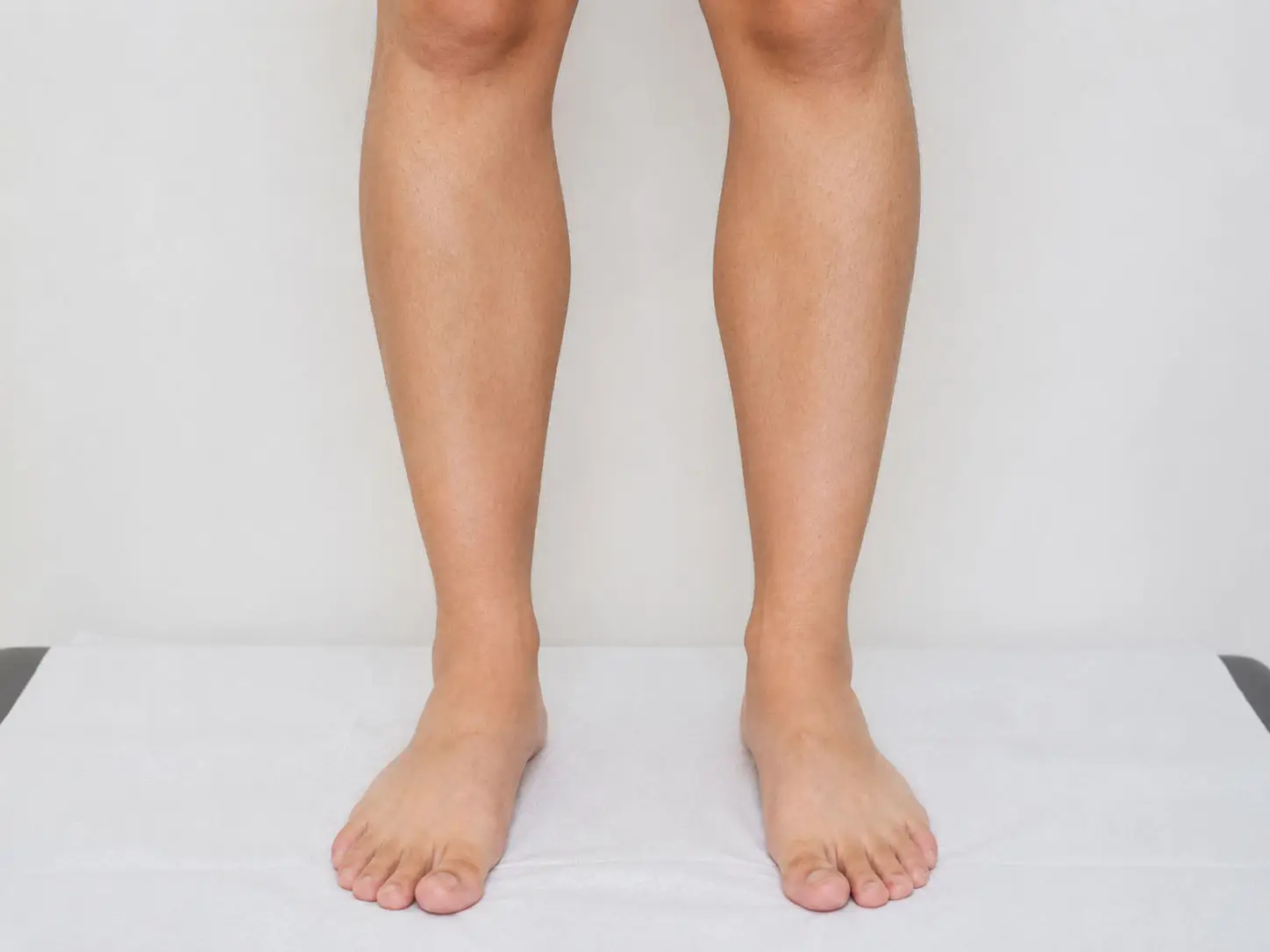
You may begin noticing a reduction in growth after your first appointment. Treated hairs typically shed over the following one to three weeks.
As your treatment series continues, you may notice:
Results become more noticeable as additional hair-growth cycles are treated.
Laser hair removal is more accurately described as permanent hair reduction. Many successfully treated follicles stop producing hair, while others may eventually produce finer or lighter growth.
Hormonal changes, pregnancy, menopause, hormone replacement therapy, polycystic ovary syndrome, certain medications and other medical factors can stimulate new hair growth. Occasional maintenance treatments may be recommended to preserve your results.
Laser hair removal typically requires little to no downtime. Most patients can return to work and resume their usual activities immediately after treatment.
Temporary effects may include:
Swelling around individual follicles, known as perifollicular edema, is a normal treatment response and usually improves shortly afterward.
Proper preparation helps the laser safely and effectively reach the hair follicles.
Before your appointment:
Avoid leaving the hair long above the skin. Surface hair can absorb laser energy, increase discomfort and reduce the effectiveness of treatment.
Waxing, tweezing, threading and epilating remove hair from the follicle. Because the laser needs pigmented hair inside the follicle to work, these methods can make treatment less effective.
Shaving is allowed between appointments because it removes only the visible hair while leaving the follicle intact.
Most patients require minimal aftercare. You may use a cool compress if the treated skin feels warm or sensitive.
After treatment:
You may resume shaving once the skin is no longer irritated, but do not wax or tweeze between sessions.
Laser hair removal may be appropriate for anyone who wants to reduce unwanted pigmented hair. It can be particularly helpful for patients who experience:
Dark, coarse hair generally responds most effectively because it contains more pigment. Finer hair may also respond when sufficient pigment is present, although additional treatments may be needed.
Laser hair removal depends on pigment within the hair to absorb the laser energy. White, gray and very light blonde hair generally do not contain enough melanin to respond effectively.
Fine, light-colored peach fuzz is also unlikely to respond. Red and light brown hair may have variable results depending on the amount and type of pigment present.
Your provider can examine the hair and discuss whether meaningful reduction is likely.
Treatment may need to be delayed or modified if you:
Provide a complete medical and medication history so your treatment can be performed safely.
The Dermatology Clinic’s experienced laser technicians have performed thousands of laser hair removal procedures and work under the supervision of board-certified dermatologists.
Access to multiple laser technologies allows the treatment team to customize the procedure for each patient’s natural skin tone, hair type, treatment area and goals.
Laser hair removal offers a convenient, long-lasting alternative to shaving, waxing and other temporary hair-removal methods. The Dermatology Clinic can evaluate your skin and hair and develop a personalized treatment plan designed to safely reduce unwanted growth. Contact us today to get scheduled.
We would love to get started on a solution that perfectly fits your needs.