
Melanoma is a serious form of skin cancer that begins in melanocytes, the cells that produce pigment. It is less common than basal or squamous cell carcinoma, but it has a greater ability to invade surrounding tissue and spread to other parts of the body.
Melanoma is highly treatable when found early. Evaluating new, changing or unusual spots promptly can make treatment less extensive and improve the likelihood of a successful outcome.
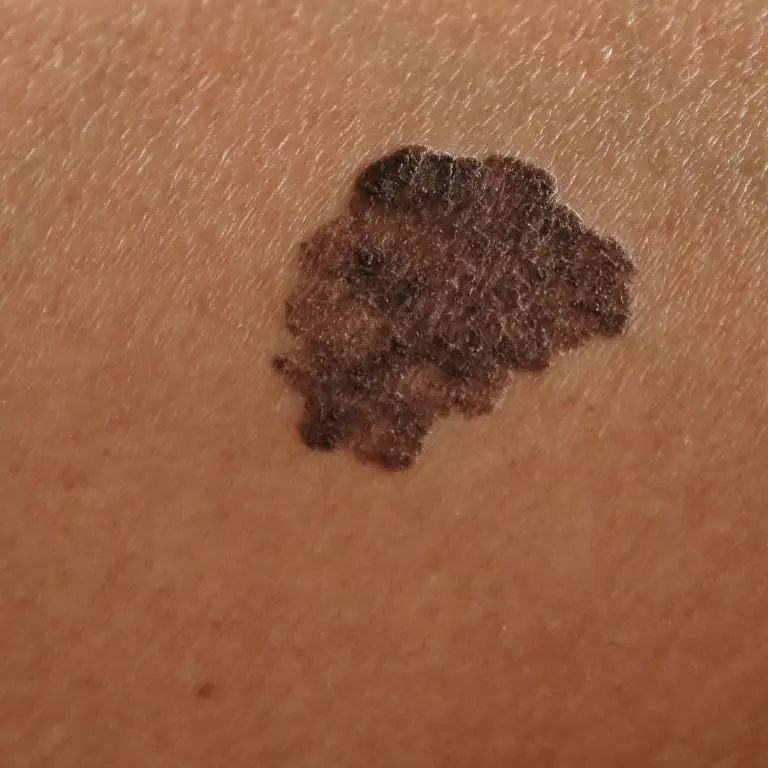
Melanoma may begin in an existing mole or develop as a new spot. It can be brown or black, but some melanomas appear pink, red, white, blue or similar to the surrounding skin.
The ABCDE warning signs can help identify a suspicious growth:
The “ugly duckling” sign is also important. A mole that looks noticeably different from the rest of your moles deserves evaluation.
Other warning signs include itching, tenderness, crusting, bleeding or a sore that does not heal.
Melanoma can occur anywhere, including areas that receive little sunlight.
It may develop on the:
Melanoma beneath a nail may appear as a dark streak or pigment extending onto the surrounding skin. Not every dark nail streak is melanoma, but a new or changing streak should be evaluated.
Risk factors may include:
Melanoma can develop in people of every age and skin tone.
A suspicious spot is evaluated with a skin examination and dermoscopy. A biopsy is required to determine whether melanoma cells are present.
When melanoma is confirmed, the pathology report describes features such as tumor thickness and ulceration. These findings help determine the stage and guide treatment.
Depending on the melanoma’s depth and other characteristics, additional testing or a sentinel lymph-node biopsy may be discussed.
Early melanoma is generally treated with surgical removal of the cancer and a margin of surrounding skin.
More advanced melanoma may require:
Treatment is personalized according to the stage, tumor features, overall health and testing results.
Do not wait for a suspicious mole to become painful. The Dermatology Clinic can examine new or changing spots, perform a biopsy and coordinate appropriate treatment and follow-up care. Contact us today to get scheduled.
We would love to get started on a solution that perfectly fits your needs.