
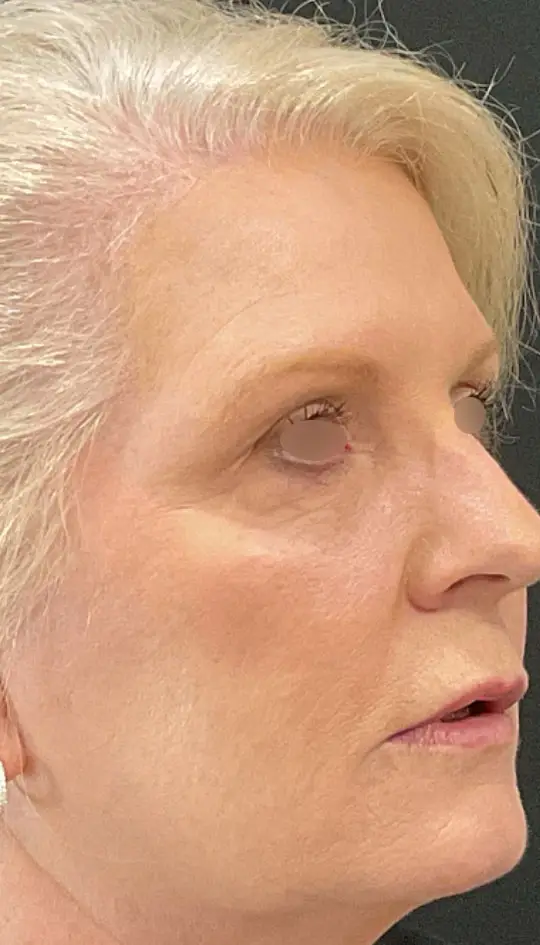
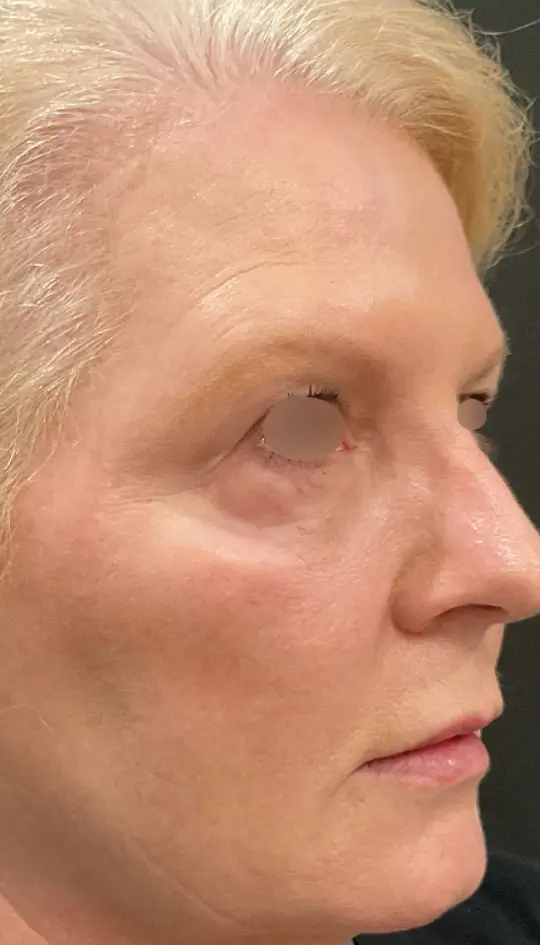
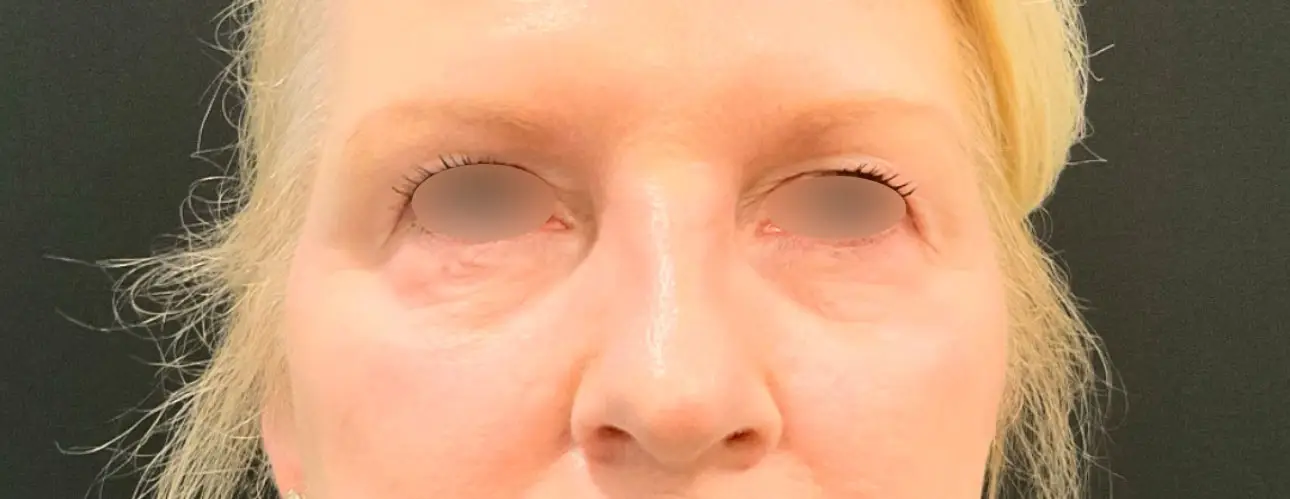
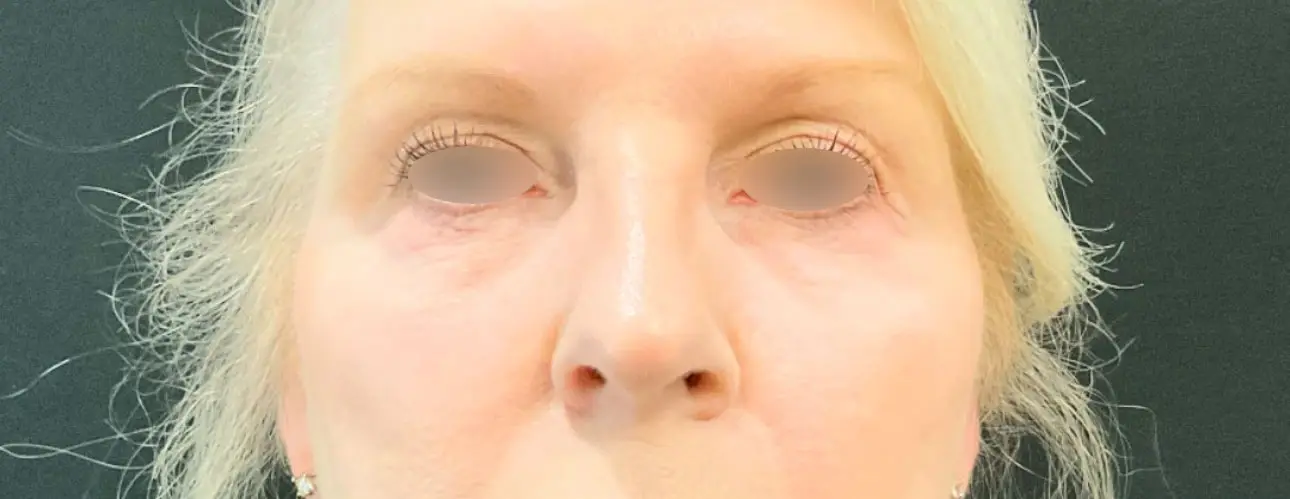
PRF, or platelet-rich fibrin, is an injectable treatment that uses a concentrated portion of your own blood to support gradual rejuvenation of the delicate skin beneath the eyes. The treatment may help improve fine lines, crepey texture, mild hollowness and certain types of under-eye discoloration.
A small amount of blood is collected and processed to separate platelets, growth factors and fibrin from the other blood components. The resulting platelet-rich fibrin is then carefully injected into selected areas beneath the eyes.
Unlike traditional dermal fillers, PRF does not use hyaluronic acid or another synthetic volumizing material. It works by supporting the skin’s natural renewal processes, so improvements generally develop gradually rather than appearing immediately.
Blood contains several components, including red blood cells, white blood cells, plasma, platelets and proteins involved in clotting and tissue repair. Platelets are best known for helping the blood clot, but they also contain growth factors that participate in healing and tissue regeneration.
To prepare PRF, a small amount of your blood is placed into specialized tubes and processed in a centrifuge. The centrifuge separates the blood into layers and allows the platelet-rich portion to be collected for treatment.
PRF also contains fibrin, a protein that forms a supportive network as the blood begins its natural clotting process. This fibrin matrix can hold platelets and other components within the treatment area while growth factors are gradually released.
Because PRF is prepared from your own blood, it is considered an autologous treatment. No donor blood is used.
PRF and platelet-rich plasma, or PRP, are both created from a patient’s own blood, but the preparation methods and final products are different.
PRP is generally processed to create a liquid concentration of platelets suspended within plasma. Depending on the system being used, an anticoagulant may be added to prevent the blood from clotting before it is injected.
PRF is commonly prepared using a different centrifugation process and without an added anticoagulant. This allows a natural fibrin network to begin forming within the injectable material.
The fibrin matrix may support a more gradual release of platelet-derived growth factors. However, preparation methods vary considerably and PRF should not automatically be considered better than PRP for every patient or concern.
Your provider will recommend the treatment that is most appropriate for the area being treated and the improvement you would like to achieve.
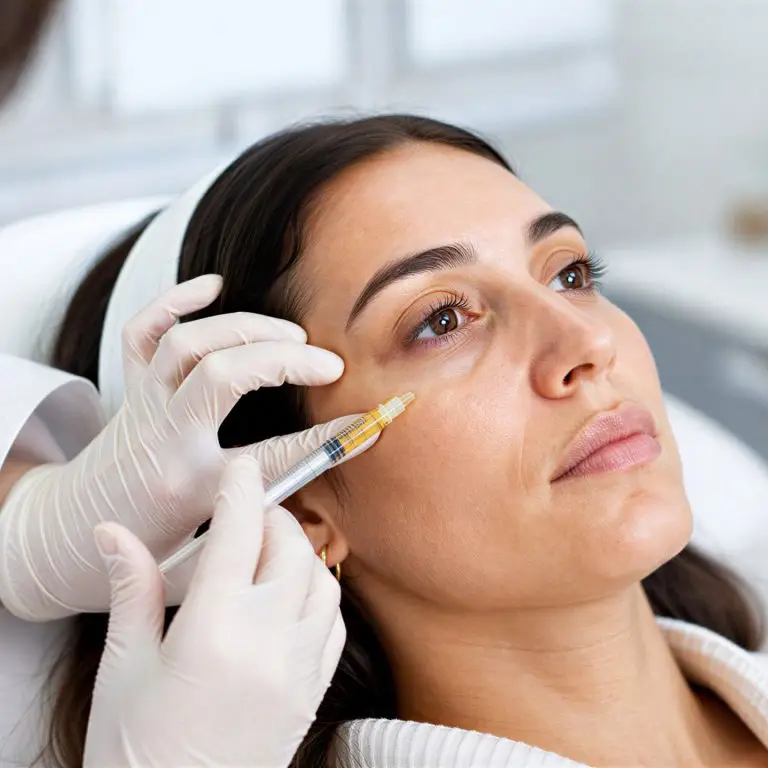
Once PRF has been prepared, it is injected in small amounts into selected areas beneath the eyes. The platelets within the PRF release growth factors that may support collagen production, tissue remodeling and improvements in overall skin quality.
The fibrin matrix provides a temporary framework within the tissue as the body processes the injected material. Some patients experience gradual improvements in the thickness, texture or firmness of the under-eye skin.
PRF may also provide a small amount of temporary fullness immediately after injection. However, this early fullness is partly related to the volume of fluid placed beneath the skin and should not be mistaken for the final result.
The goal of treatment is usually gradual tissue rejuvenation rather than the immediate and predictable volume correction associated with traditional dermal fillers.
PRF may be considered for patients who would like to improve the overall appearance and quality of the skin beneath the eyes.
Treatment may help address concerns such as:
Results vary and not every type of under-eye concern responds to PRF. A consultation is important because under-eye darkness, puffiness and hollowness can have several different causes.
The under-eye area has complex anatomy and similar-looking concerns may require very different treatments. Dark circles, for example, can result from pigmentation, visible blood vessels, thin skin, facial structure, shadows from hollowness or a combination of factors.
Puffiness may be caused by temporary swelling, allergies, fluid retention or protruding fat pads. PRF will not correct every cause of under-eye bags or discoloration.
Before recommending treatment, your provider will evaluate:
This evaluation helps determine whether PRF is likely to provide meaningful improvement or whether another treatment would better address your concerns.
PRF is not the same as a traditional dermal filler. Hyaluronic acid fillers are formulated to add a specific amount of volume and may create a visible change immediately after treatment.
PRF is derived from your own blood and does not offer the same degree of immediate, predictable or long-lasting structural correction. Its primary purpose is to support gradual improvements in tissue and skin quality.
PRF may be appropriate for patients who have mild hollowness, thin or crepey skin, or concerns about overall under-eye quality. Patients with deeper tear troughs or more significant volume loss may require dermal filler, cheek augmentation or another treatment.
In some cases, a provider may recommend PRF instead of filler. In others, PRF may be used alongside filler as part of a broader treatment plan.
PRF may improve the appearance of certain under-eye shadows or discoloration, particularly when thin skin, fine lines or mild hollowness contribute to the concern. However, it cannot eliminate every type of dark circle.
Darkness caused primarily by natural pigmentation may respond better to topical skin care, chemical peels, laser treatment or another pigment-focused procedure. Visible blue or purple blood vessels may require a vascular treatment.
PRF is also unlikely to completely correct prominent bags or shadows caused by protruding under-eye fat. In those cases, surgical consultation may be more appropriate.
Your provider will identify the likely cause of your dark circles before recommending treatment.
Your appointment begins with a routine blood draw, usually from a vein in your arm. The blood is placed into specialized tubes and immediately processed in a centrifuge.
Because PRF begins forming a fibrin matrix after it has been prepared, the treatment must be performed within an appropriate period. Your provider will collect the usable platelet-rich portion and transfer it into syringes.
The skin beneath the eyes is cleansed and a topical numbing medication may be applied when appropriate. The PRF is then injected in small amounts into carefully selected areas.
Depending on the treatment plan and your anatomy, the provider may use a fine needle, a blunt-tipped cannula or a combination of techniques.
The blood draw, preparation and injections are generally completed during the same appointment.
Patients may feel a brief pinch during the blood draw and pressure, stinging or tenderness during the injections. The under-eye area is sensitive, so some discomfort is possible even when numbing medication is used.
A topical anesthetic, ice, cooling or another comfort measure may be recommended. Patients may also feel temporary pressure or fullness beneath the eyes immediately after the PRF has been injected.
Tenderness typically improves as the initial swelling subsides.
PRF is commonly performed as a series rather than as a single treatment. The number of appointments will depend on the condition of your under-eye skin, the severity of your concerns and how your tissue responds.
Many patients begin with a series of treatments scheduled several weeks apart. Maintenance appointments may be recommended after the initial series to help preserve the improvement.
Your personalized schedule may depend on:
PRF does not produce permanent changes and occasional maintenance may be needed.
PRF does not provide the immediate, stable correction associated with traditional dermal fillers. The under-eye area may initially appear fuller because of temporary swelling and the volume of material that was injected.
This early fullness decreases as the swelling resolves and the body gradually processes the PRF. Potential improvements in skin texture, firmness and overall appearance develop more slowly.
Some patients begin noticing changes within several weeks, while more meaningful improvement may require multiple treatments and several months. The timing and degree of improvement vary from patient to patient.
PRF is intended to create subtle, gradual rejuvenation. It should not be expected to completely remove deep tear troughs, significant under-eye bags or all forms of dark circles.
Potential improvements may include:
Results depend on your anatomy, age, skin quality, treatment plan and the underlying cause of your concerns. Some patients experience noticeable improvement, while others experience only subtle changes or no meaningful response.
No specific result can be guaranteed.
PRF undereye injections generally involve limited downtime, but swelling and bruising can be more noticeable around the eyes than in other treatment areas.
Temporary effects may include:
Swelling may be most noticeable during the first few days. Because under-eye bruising can take longer to resolve, patients should consider their schedules before treatment, particularly when an important event is approaching.
Most patients can return to routine activities shortly after the appointment, although the treatment may remain visible while swelling or bruising is present.
Your provider will give you personalized instructions based on your health history and medications.
Before your appointment:
Certain medications and supplements can increase bruising, but you should not stop a prescribed medication unless the healthcare professional who prescribed it tells you to do so.
Follow the specific aftercare instructions provided by your treatment team.
You may be advised to:
Do not aggressively massage the injected areas unless your provider specifically instructs you to do so.
Contact the office if swelling, pain, redness or tenderness becomes more severe rather than gradually improving.
Because PRF is prepared from your own blood, it avoids the use of donor blood and does not create the same type of allergic reaction risk associated with some manufactured injectable materials. However, the blood draw, processing and injection procedure still carry potential risks.
Possible complications include:
The under-eye area contains important blood vessels and delicate structures. Although severe complications are uncommon, increasing pain, pale or discolored skin, significant redness, drainage, fever or any change in vision requires prompt medical evaluation.
Appropriate patient selection, sterile blood processing and careful injection technique are essential.
PRF may be appropriate for adults who want gradual improvement in the quality and appearance of the under-eye skin without relying entirely on a manufactured filler.
Good candidates generally:
PRF may be less suitable for patients seeking an immediate or dramatic correction.
PRF treatment may need to be postponed or avoided if you:
Your provider will review your medical history and determine whether treatment can be performed safely.
PRF may be performed alone or included in a broader facial-rejuvenation plan. The most appropriate combination depends on whether your primary concern is skin quality, pigmentation, hollowness, visible blood vessels, laxity or under-eye bags.
Other recommended treatments may include:
Treatments around the eyes may need to be separated by a specific amount of time. Your provider will create a plan that considers your anatomy, safety and desired results.
PRF undereye injections offer an autologous approach to improving fine lines, crepey texture, mild hollowing and the overall quality of the skin beneath the eyes. Because under-eye concerns can result from several different anatomical and skin-related factors, a personalized evaluation is the first step.
The Dermatology Clinic can evaluate your under-eye area, explain the likely cause of your concerns and determine whether PRF should be included in your treatment plan. Contact us today to schedule a consultation and learn more about PRF undereye injections.
We would love to get started on a solution that perfectly fits your needs.