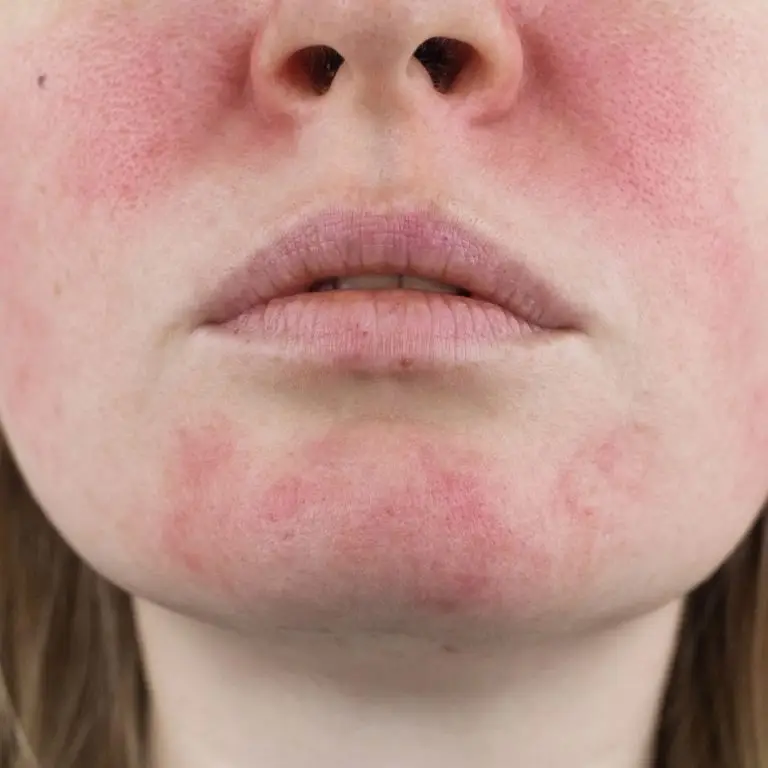
Rosacea is a chronic inflammatory condition that primarily affects the face. It may cause frequent flushing, persistent discoloration, visible blood vessels, acne-like bumps or sensitive skin.
Some patients also develop eye symptoms or thickening of the skin. Although rosacea cannot currently be cured, personalized treatment and trigger management can significantly reduce its appearance and discomfort.
Rosacea can look different from one patient to another. Signs may include:
Symptoms commonly affect the cheeks, nose, chin and forehead. Some patients also notice changes on the scalp, ears, neck or upper chest.
Unlike acne, rosacea does not usually cause blackheads. However, rosacea and acne can occur at the same time.
Ocular rosacea affects the eyes and eyelids. Symptoms may include:
Eye symptoms may appear before noticeable facial rosacea. Prompt evaluation is important because untreated inflammation can occasionally affect vision.
Triggers vary, and not every patient reacts to the same things.
Common triggers may include:
Keeping a record of your activities, foods, products and symptoms can help identify personal triggers.
Rosacea is diagnosed by examining the skin and eyes and reviewing your symptom history. There is no single laboratory test for the condition.
Your provider may consider other possible causes, including acne, seborrheic dermatitis, contact dermatitis, lupus or medication-related flushing.
Treatment is selected according to the signs affecting you most.
Options may include:
Rosacea often requires continued care. Once symptoms improve, maintenance treatment may help prevent or reduce flare-ups.
Use a mild cleanser, moisturizer and broad-spectrum sunscreen. Avoid scrubs, harsh toners and products that sting or burn.
Introduce new products gradually and stop using anything that consistently irritates your skin.
Facial redness and acne-like bumps can result from several different skin conditions. The Dermatology Clinic can identify the cause, assess possible eye involvement and create a personalized rosacea treatment plan. Contact us today to get scheduled.
We would love to get started on a solution that perfectly fits your needs.