
Scabies is a contagious skin infestation caused by the human itch mite. The mites burrow into the outer layer of skin, causing an allergic reaction that leads to intense itching and a rash.
Scabies can affect anyone and is not caused by poor hygiene. Effective prescription treatment is necessary to eliminate the mites and prevent continued spread.
The most common symptom is intense itching, which is often worse at night.
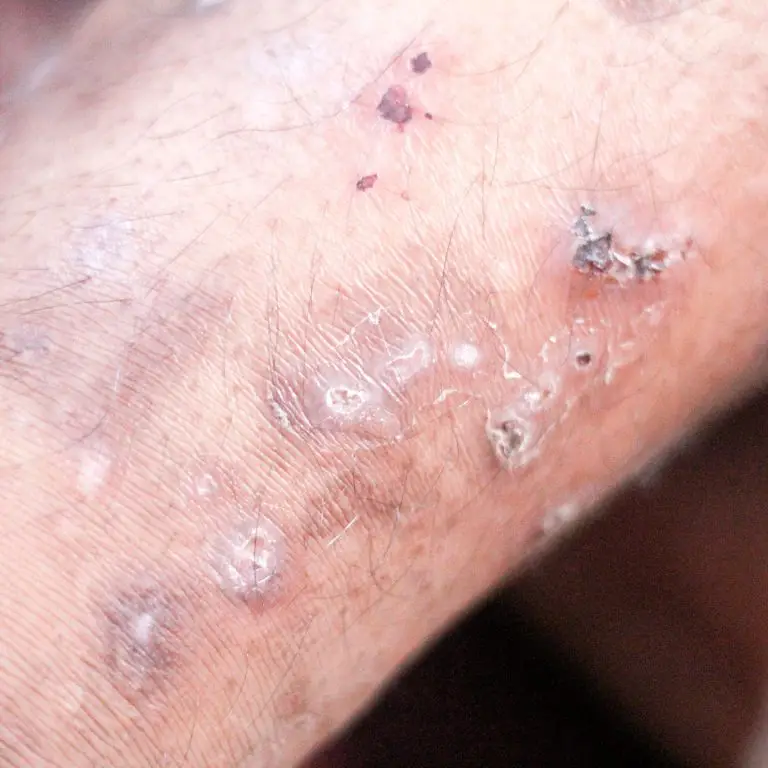
The rash may include:
Common locations include:
Infants, young children, older adults and immunocompromised patients may also have involvement of the scalp, face, neck, palms or soles.
Symptoms can take several weeks to develop after a first exposure, but an infected person may spread scabies before itching begins.
Scabies usually spreads through prolonged skin-to-skin contact. It may also spread through recently used clothing, towels or bedding.
Brief contact such as a quick handshake is less likely to spread typical scabies. Household members, intimate partners and caregivers have a greater risk because of repeated close contact.
Human scabies does not come from household pets.
A dermatology provider will examine the distribution of the rash and look for burrows. Magnification or dermoscopy may help identify a mite.
A small skin scraping may be examined under a microscope. A negative scraping does not always exclude scabies because a person with ordinary scabies may have relatively few mites.
The pattern of symptoms among household members can also support the diagnosis.
Prescription treatment may include:
The medication must be applied exactly as directed. Treatment may need to be repeated approximately one week later.
Household members and other close contacts are often treated at the same time, even when they do not yet have symptoms.
On the day treatment begins, wash recently used clothing, towels and bedding in hot water and dry them using high heat when the items allow.
Items that cannot be washed can generally be sealed in a plastic bag for the period recommended by your healthcare provider.
Vacuum upholstered furniture and carpeting. Extensive pesticide spraying or fumigation is not generally required.
Itching may continue for several weeks after successful treatment because the allergic reaction takes time to settle. New burrows or new bumps may indicate ongoing infestation and should be evaluated.
Persistent nighttime itching or a rash affecting several household members should be examined. The Dermatology Clinic can confirm the diagnosis, prescribe treatment and explain how to treat contacts and household items to prevent reinfestation. Contact us today to get scheduled.
We would love to get started on a solution that perfectly fits your needs.