
Skin fungal infections are common and can affect the body, feet, groin, hands, scalp or beard. These infections are often called ringworm or tinea, although no worm is involved.
The specific name depends on the affected area. Athlete’s foot is tinea pedis, jock itch is tinea cruris and ringworm of the body is tinea corporis.
Symptoms depend on the location but may include:
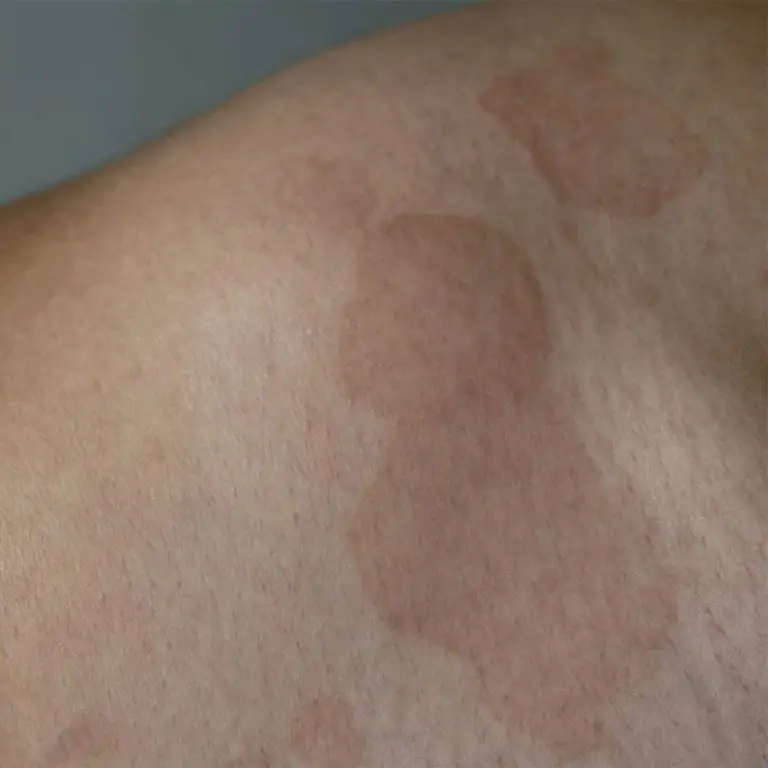
On lighter skin, patches may look pink or red. On darker skin tones, they may appear brown, gray, purple or darker than the surrounding skin.
Not every fungal infection forms a complete ring.
Dermatophyte fungi can spread through:
Warmth, moisture, sweating and tight clothing can create conditions in which fungus grows more easily.
A dermatologist may recognize a fungal infection by examining the rash. Because eczema, psoriasis and other conditions can look similar, testing may be performed before treatment.
Your provider may gently scrape the surface and examine the sample under a microscope. A fungal culture or laboratory test may be recommended for persistent, widespread or scalp infections.
Using a steroid cream before diagnosis can temporarily change the rash’s appearance and allow the fungus to spread.
Treatment may include:
Scalp, beard and extensive infections commonly require oral treatment because topical creams may not reach the infected hair follicles.
Complete the full treatment course even when symptoms begin improving.
Keep affected areas clean and dry. Change damp clothing and socks promptly and wear footwear in communal showers or locker rooms.
Do not share towels, razors, brushes, hats or clothing. Wash hands after touching an infected person, animal or area of your own skin.
Ring-shaped and scaly rashes can have several causes. The Dermatology Clinic can test the area, confirm whether fungus is present and prescribe the appropriate topical or oral treatment. Contact us today to get scheduled.
We would love to get started on a solution that perfectly fits your needs.