Squamous cell carcinoma, or SCC, is a common form of skin cancer that develops from squamous cells in the epidermis. Many SCCs grow slowly and are highly treatable when detected early.
Some tumors can grow deeply, damage surrounding tissue or spread to lymph nodes and other parts of the body. Prompt diagnosis is particularly important for rapidly growing, painful or high-risk lesions.
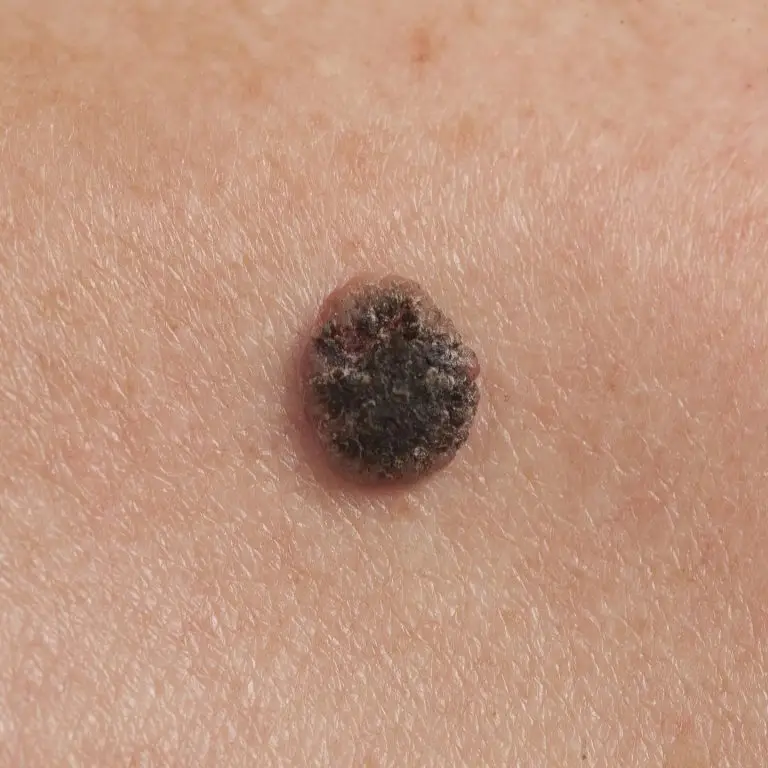
Squamous cell carcinoma may appear as:
The growth may bleed, crust, itch, sting or feel tender. Some SCCs grow gradually, while others become noticeably larger over a short period.
SCC frequently develops on sun-exposed skin, including the face, ears, lips, scalp, neck, arms and backs of the hands. It can also develop on the legs, inside the mouth, around a nail, on the genitals or within a chronic wound or scar.
Ultraviolet radiation from sunlight and indoor tanning is a major cause of cutaneous squamous cell carcinoma.
Additional risk factors may include:
SCC can occur in every skin tone. In people with darker skin, it may be more likely to develop in scars, chronic wounds or areas that receive less sun.
A dermatologist will examine the suspicious area and nearby skin. A skin biopsy is performed to confirm whether SCC is present.
The laboratory report can provide information about the tumor’s subtype, depth and other characteristics that affect treatment. Your provider may also examine nearby lymph nodes when a tumor has higher-risk features.
Additional imaging or testing is not necessary for most early SCCs but may be recommended when there is concern that the cancer has spread.
Treatment may include:
The recommended approach depends on the tumor’s size, depth, location, pathology and likelihood of recurrence.
Mohs surgery may be recommended for SCCs in high-risk locations, tumors with aggressive features or cancers that have returned after previous treatment.
Protect your skin from ultraviolet exposure, avoid tanning beds and examine your skin regularly. Report any new, rapidly growing, painful, bleeding or nonhealing area.
Patients with a previous SCC generally need ongoing skin examinations because they have a higher likelihood of developing another skin cancer.
A persistent scaly patch or nonhealing growth should not be ignored. The Dermatology Clinic can perform a biopsy, determine the appropriate treatment and provide continued skin-cancer surveillance. Contact us today to get scheduled.
We would love to get started on a solution that perfectly fits your needs.