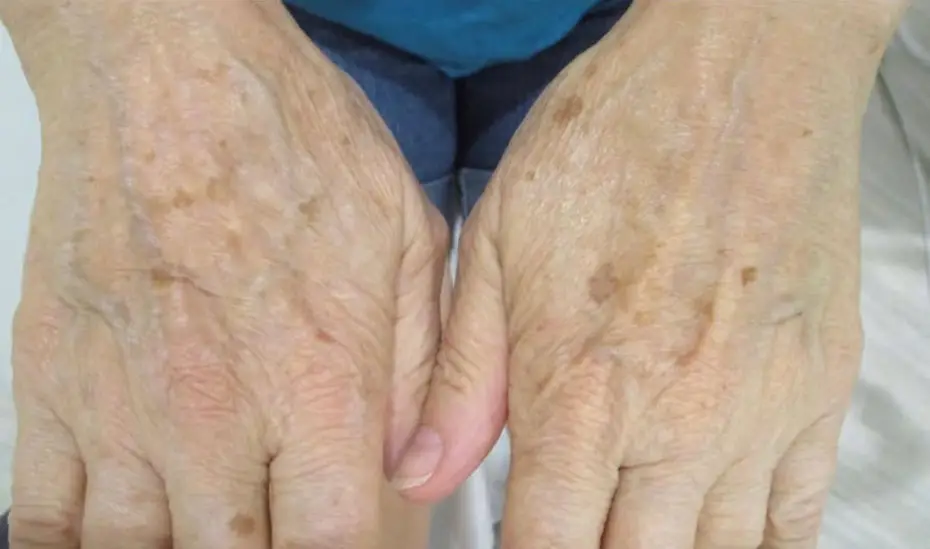
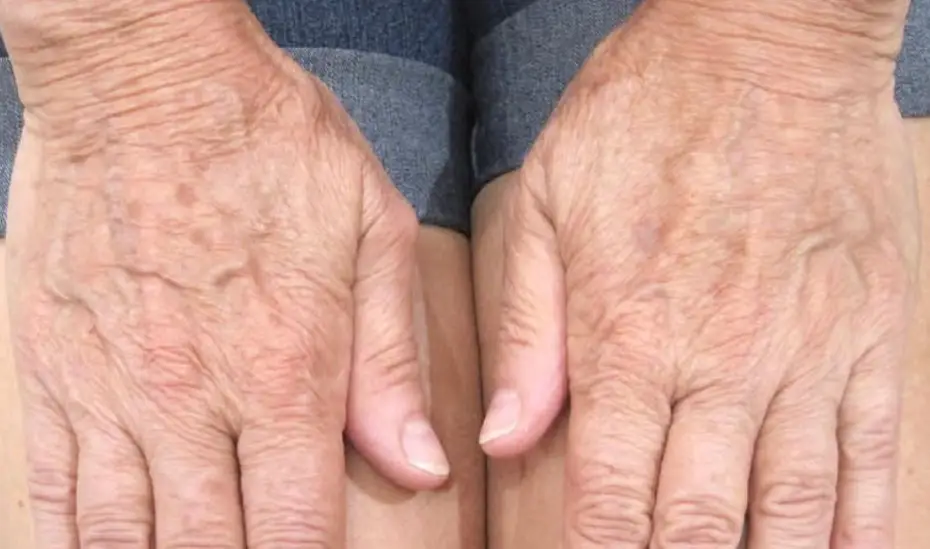
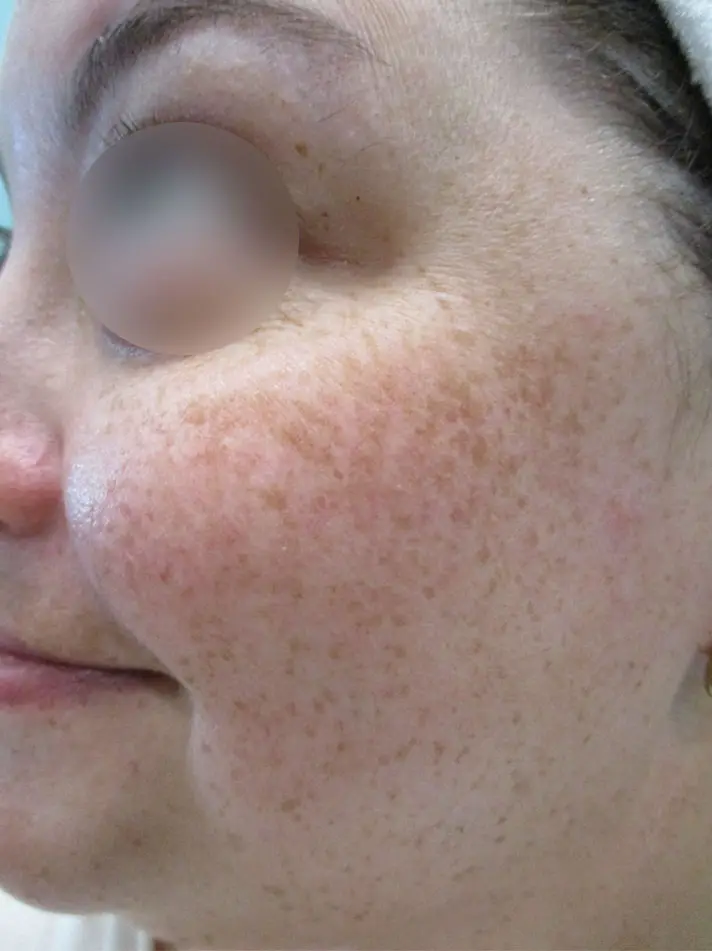
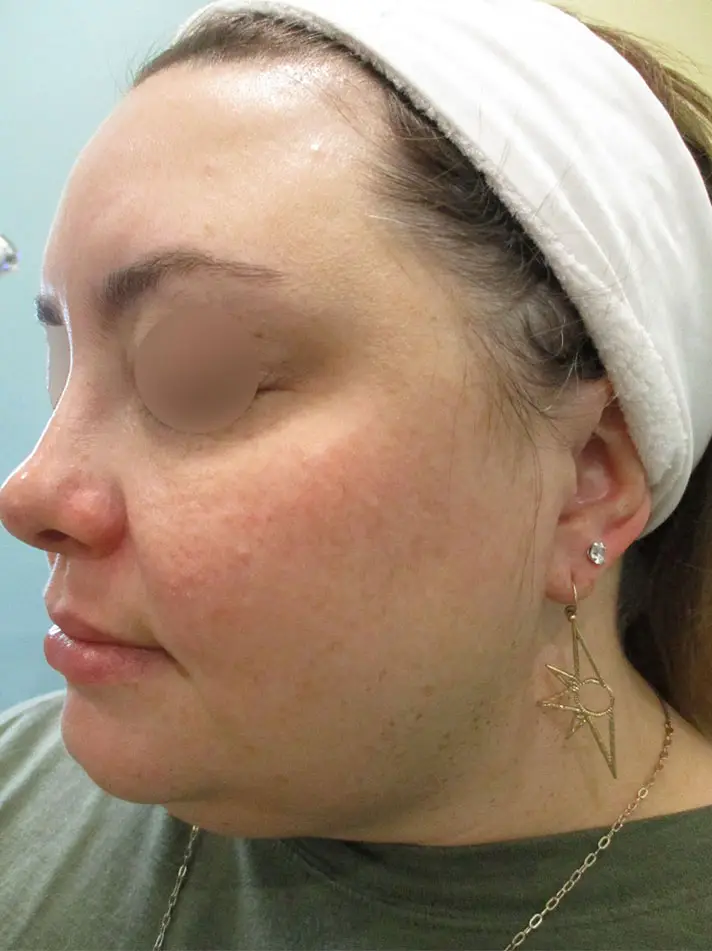
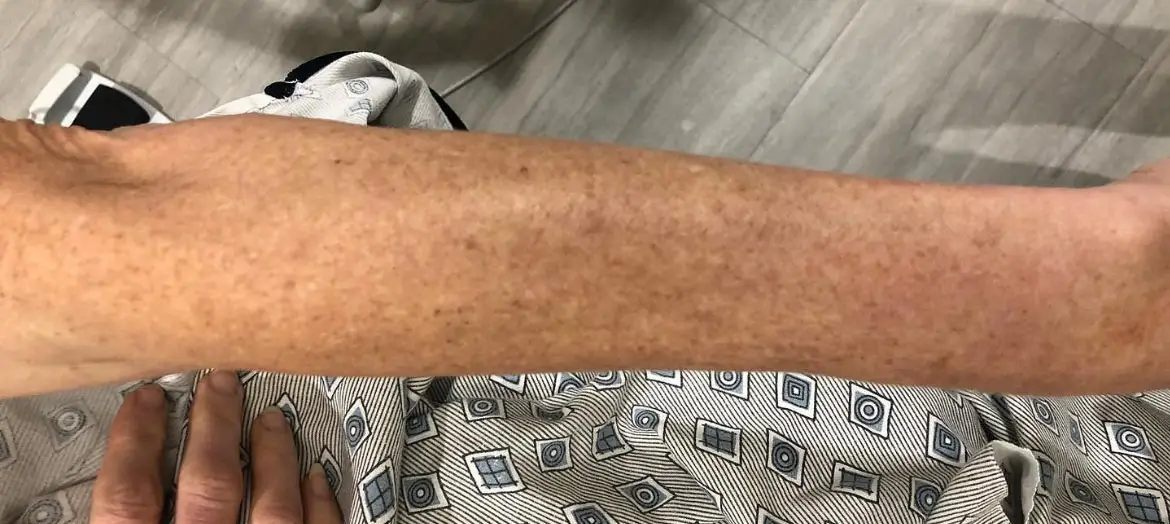
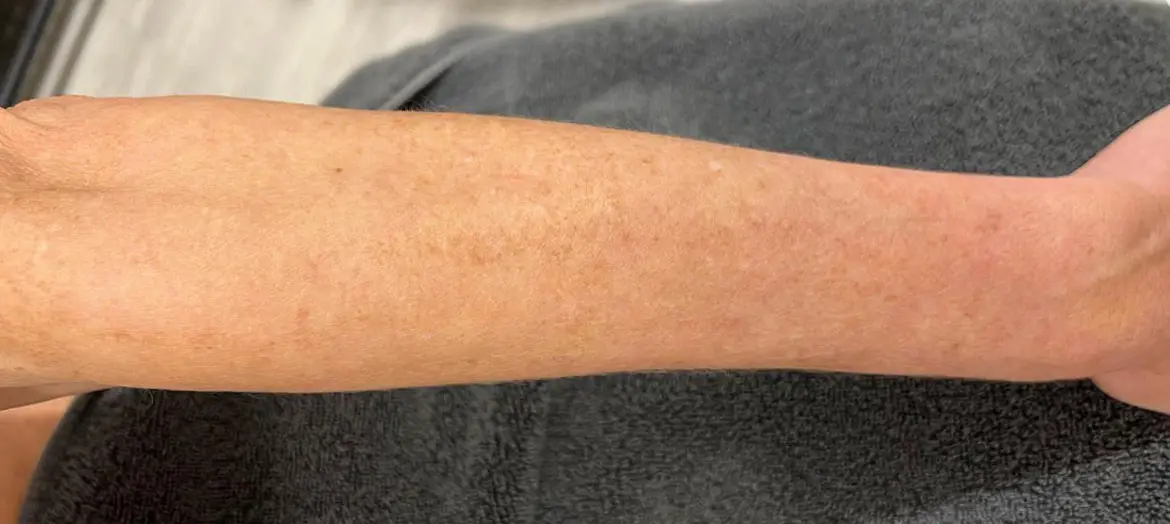
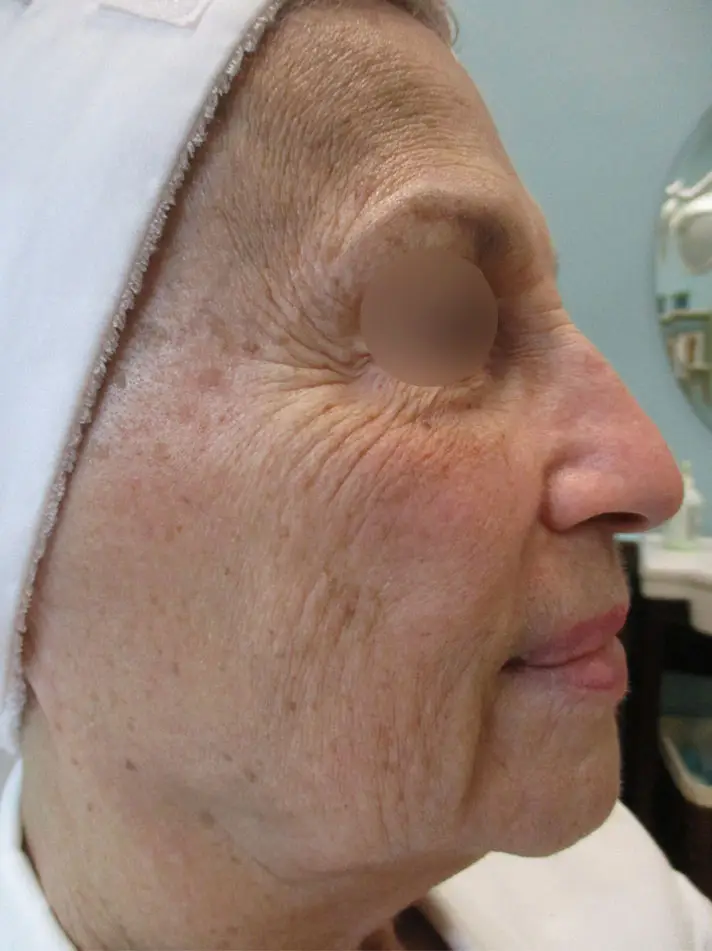
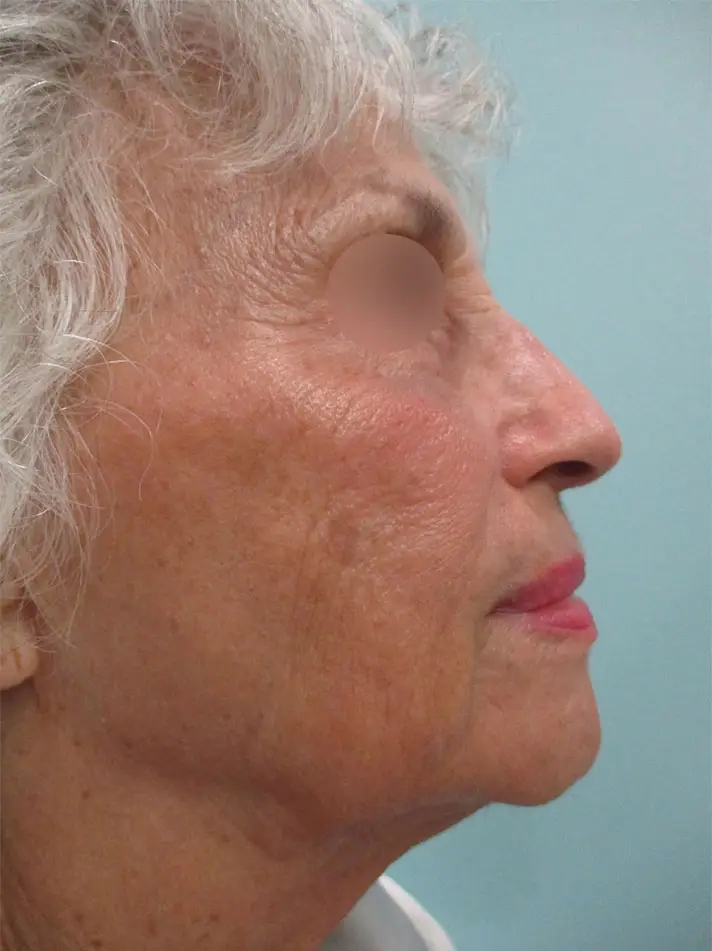
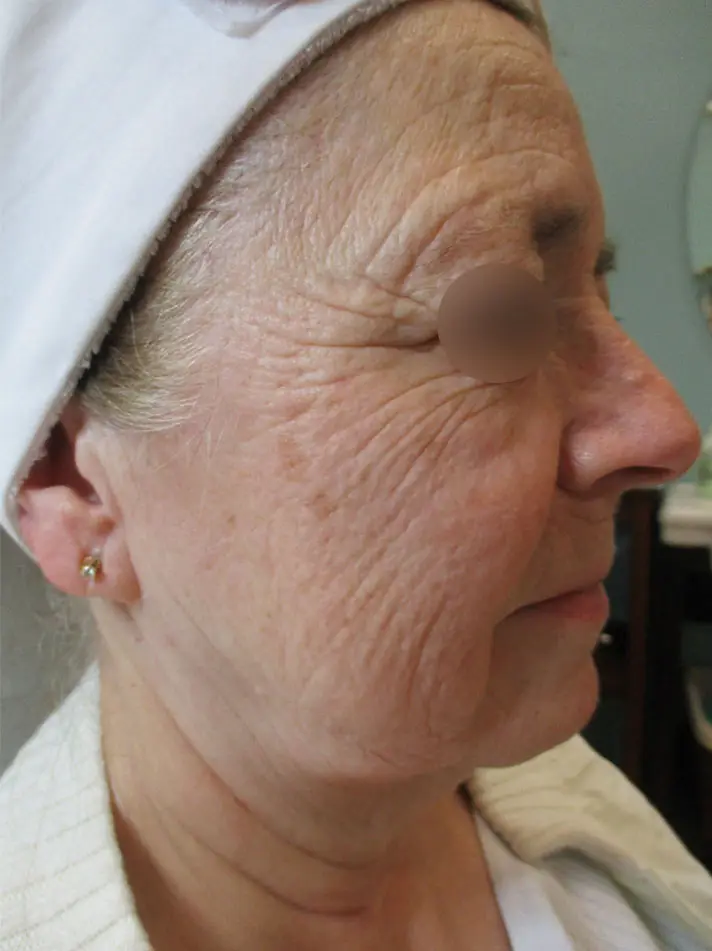
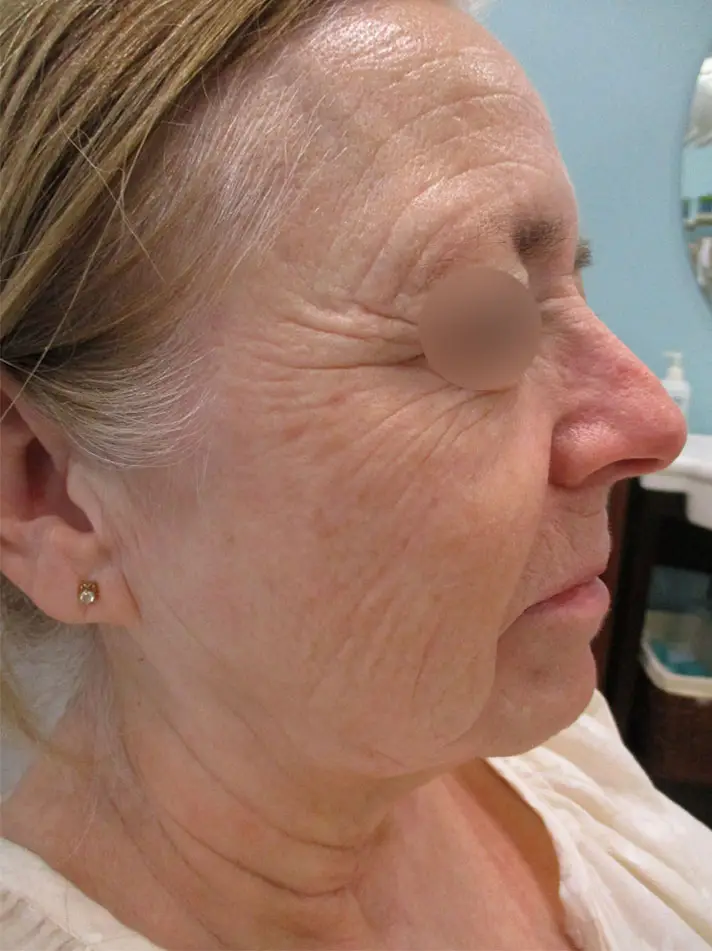
IPL or intense pulsed light, is a noninvasive treatment designed to improve unwanted pigmentation, visible blood vessels, facial redness and other signs of sun damage. Sometimes called a photofacial or photorejuvenation treatment, IPL uses controlled pulses of light to create a clearer, brighter and more even-looking complexion.
Unlike treatments that remove the outer layer of skin, IPL targets pigment and blood vessels beneath the skin’s surface. This allows many patients to improve several concerns during the same treatment with relatively little downtime.
IPL delivers broad-spectrum light into the skin using carefully selected settings. Different colors within the skin absorb different wavelengths of light.
Brown pigment absorbs the light and gradually breaks apart, allowing the body to clear it naturally. Redness and visible blood vessels absorb the light as heat, causing the targeted vessels to gradually collapse and fade.
Because the treatment can address both brown and red discoloration, IPL may improve multiple signs of sun damage during the same appointment.
IPL may be used to improve:
IPL is not intended to treat every type of pigmentation or vascular concern. Suspicious, changing or unusual spots should be evaluated by a dermatology provider before cosmetic treatment.
IPL may be performed on several areas commonly affected by sun exposure and visible discoloration, including the:
The treatment cannot be performed directly over tattoos because the light may react with the tattoo pigment.
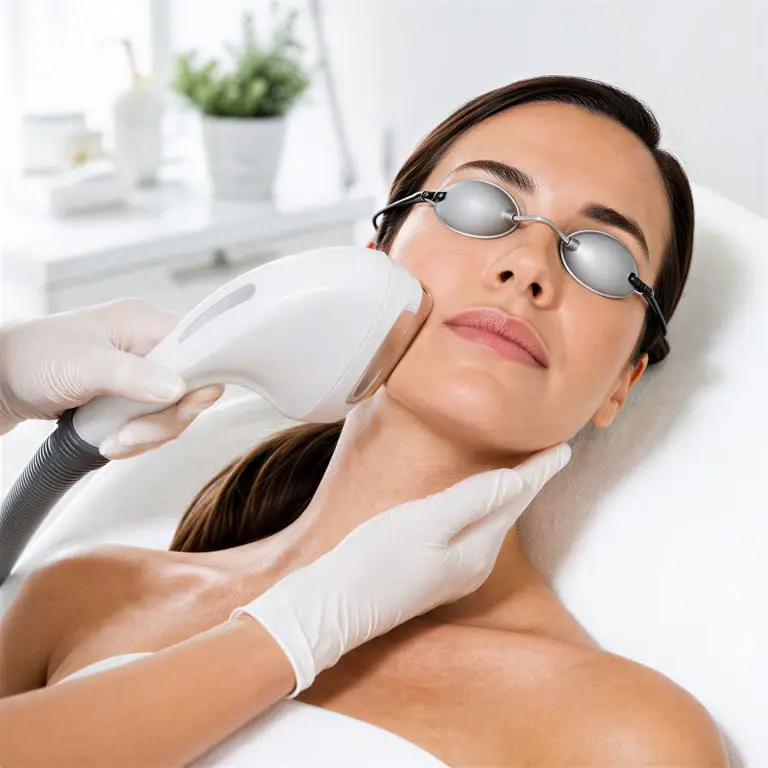
Before treatment, your skin will be cleansed and protective eyewear will be provided. A cool gel is applied to the treatment area to improve comfort and help the IPL handpiece move smoothly across the skin.
The provider places the handpiece against the skin and delivers a series of controlled light pulses. The treatment settings are selected according to your natural skin tone, the type of discoloration being treated and the location of the concern.
After treatment, the gel is removed and sunscreen is applied. A typical session takes approximately 30 minutes, although the appointment length may vary depending on the size and number of areas being treated.
Arrive with clean skin and no makeup whenever possible.
Most patients describe IPL as mildly uncomfortable. Each pulse may feel like a brief sting, warm snap or light rubber-band sensation against the skin.
Cooling gel, contact cooling and cold air may be used to make treatment more comfortable. The intensity can also be adjusted based on your skin’s response and comfort level.
A series of three to six treatments spaced approximately four weeks apart is commonly recommended for the best results.
The number of sessions you need will depend on:
Your provider will create a personalized treatment schedule following an evaluation of your skin.
Brown spots commonly become darker immediately after treatment before developing a pepper-like or coffee-ground appearance. These areas then gradually flake away or fade over approximately three to seven days.
Redness and visible vessels may improve more gradually. Many patients begin noticing changes within one week, with more complete improvement developing over approximately four weeks.
Results typically become more noticeable as the recommended treatment series progresses.
IPL generally involves minimal downtime. Most patients can return to work and their usual activities shortly after treatment.
Temporary effects may include:
Redness often improves within several hours, while darkened spots may remain visible for several days before fading. Makeup may usually be applied when the skin is intact, although you should follow your provider’s specific instructions.
IPL results may last approximately one year or longer, depending on your skin, sun exposure and skin care habits. Successfully treated pigmentation and vessels may remain significantly reduced, but IPL cannot prevent new sun damage, redness or visible blood vessels from developing.
Daily sunscreen and sensible sun protection are essential for preserving your results. Maintenance treatments may also be recommended as new discoloration appears.
Proper preparation reduces the risk of burns, blistering and unwanted pigment changes.
Before treatment:
Treatment should not be performed on actively tanned or sunburned skin because the additional pigment can absorb excessive light and increase the risk of complications.
Use gentle skin care while the treated area recovers.
After IPL:
Allow treated spots to flake or fade naturally. Picking at them can increase the risk of irritation, infection and discoloration.
IPL may be a good option for patients with visible sun spots, freckles, redness, flushing or small blood vessels who want to improve their overall skin tone with minimal downtime.
The treatment is often most effective when there is a clear contrast between the targeted pigment and the surrounding skin. A consultation is necessary to determine whether IPL is appropriate for your natural skin tone and specific concern.
IPL may need to be postponed or avoided if you:
IPL carries a greater risk of burns and unwanted pigment changes in skin with more melanin. Patients with deeper skin tones are not automatically excluded, but careful evaluation and appropriate device selection are essential. Another treatment may be safer or more effective for some concerns.
Tell your provider if you take doxycycline, another tetracycline antibiotic or any other photosensitizing medication.
IPL may be incorporated into a broader skin-rejuvenation plan that includes laser hair removal, microneedling, skin care treatments or other cosmetic services.
Some procedures may be performed during the same visit, while others should be scheduled separately. Your provider will recommend the safest treatment order based on your skin, the areas being treated and your desired results.
IPL offers a versatile, noninvasive way to address sun spots, redness, visible blood vessels and uneven skin tone with relatively little downtime. The Dermatology Clinic can evaluate your concerns and create a personalized treatment plan based on your skin type and aesthetic goals. Contact us today to get scheduled.
We would love to get started on a solution that perfectly fits your needs.