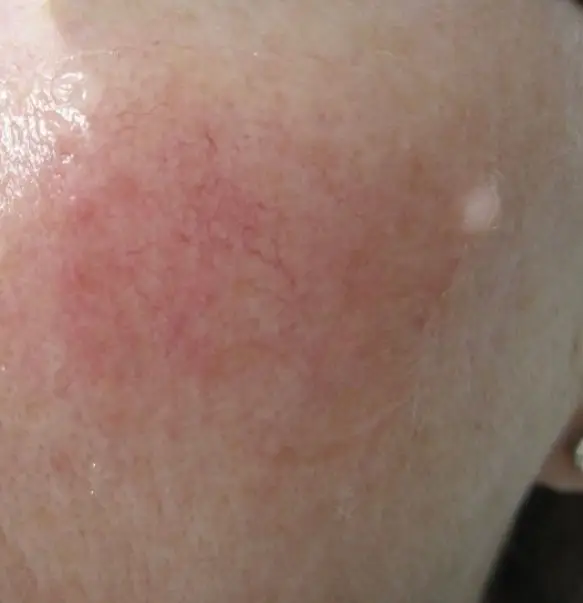
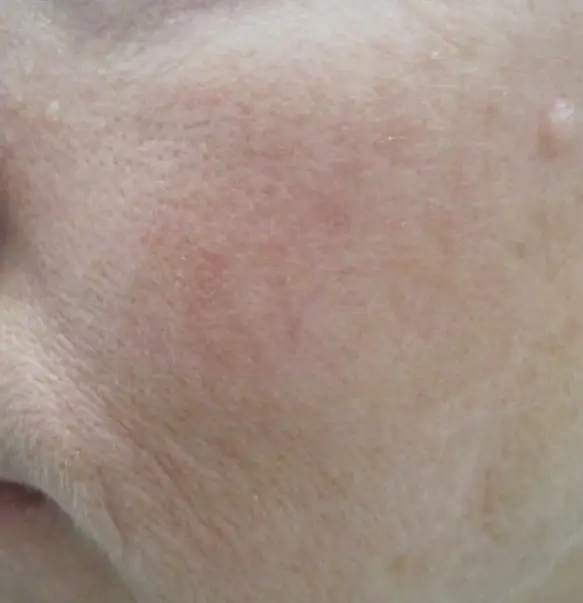
Vbeam pulsed-dye laser treatment is designed to improve visible blood vessels, persistent redness, vascular birthmarks and other red or purple discoloration within the skin.
Sometimes called a vascular laser, Vbeam delivers concentrated light that is absorbed by blood vessels beneath the skin’s surface. The treatment can reduce unwanted redness while limiting damage to the surrounding healthy tissue.
Vbeam may be used for both medical and cosmetic concerns on the face and body. Treatments are customized according to the condition being addressed, the size and depth of the vessels, the treatment area and the patient’s natural skin tone.
Vbeam uses a specific wavelength of laser light that is strongly absorbed by hemoglobin, the red pigment found within blood vessels.
When the laser energy reaches the targeted vessel, it is converted into heat. This controlled heat causes the vessel to coagulate and gradually close. The body then breaks down and absorbs the treated vessel through its natural healing processes.
Because the laser is attracted to the color within the blood vessel, the surrounding skin receives less energy. An integrated cooling system helps protect the skin’s surface and improve comfort during treatment.
Vbeam may be used to improve a wide range of vascular and dermatologic concerns, including:
Vbeam may also improve selected areas of superficial pigmentation, sun damage and uneven skin tone. Your provider will examine the concern before treatment to determine whether Vbeam or another laser technology is the most appropriate option.
Vbeam may be used on many areas of the face and body, including the:
The treatment may be used for a single visible vessel or a larger area of diffuse redness.
Before treatment, your provider will evaluate the skin and select settings based on the condition being treated, your skin tone, the size and depth of the vessels and your desired results.
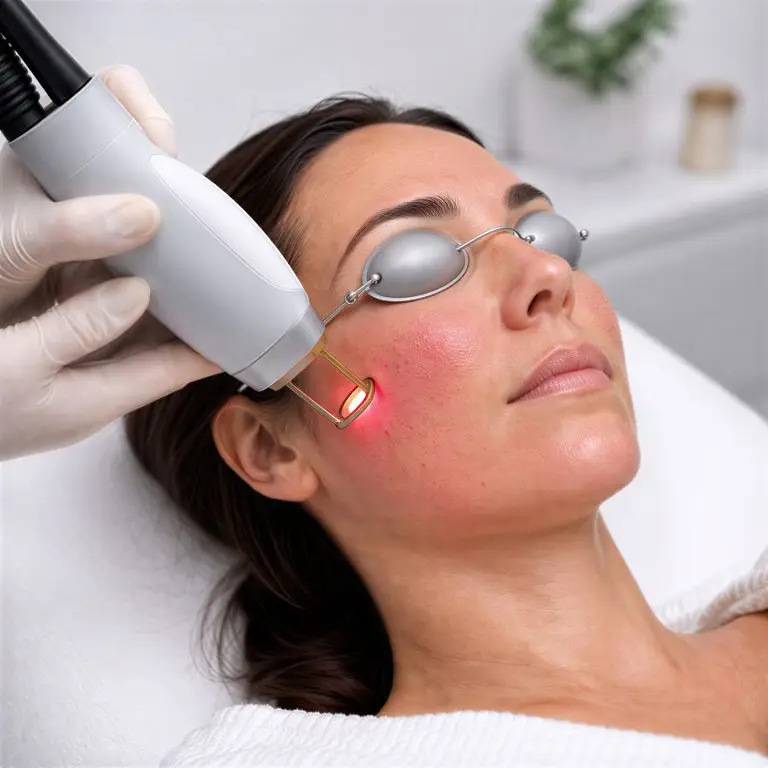
The treatment area will be cleansed and protective eyewear will be provided. The Vbeam handpiece is then positioned over the skin and used to deliver a series of controlled laser pulses.
You may see a bright flash and feel a brief sensation of warmth or snapping as each pulse is delivered. The device releases a cooling spray immediately before the laser pulse to protect the skin and improve comfort.
Treatment time varies depending on the size of the area. A small vessel or isolated spot may require only a few minutes, while a larger area of redness may take longer.
Most patients tolerate Vbeam treatment well. Each pulse may feel like a brief sting, warm snap or rubber-band sensation against the skin.
The built-in cooling system helps reduce heat at the skin’s surface. Comfort levels vary according to the treatment area, laser settings and individual sensitivity.
Topical numbing medication is not always necessary, although your provider may discuss additional comfort measures when treating a sensitive or larger area.
The number of treatments required depends on the type, size, color and depth of the condition being addressed.
Some small vessels or isolated red spots may improve after one treatment. Diffuse redness, rosacea, port-wine stains, vascular birthmarks, scars and more persistent concerns commonly require a series of sessions.
Treatments are usually spaced several weeks apart to allow the skin to heal and the body to absorb the targeted vessels. Your provider will recommend a personalized schedule after evaluating your skin.
Some patients notice improvement shortly after treatment, but the full response develops as the body gradually clears the targeted vessels.
Small facial vessels and areas of redness may begin fading within several days or weeks. Larger or deeper vessels may take longer to improve.
When treating scars, vascular birthmarks, rosacea or widespread redness, results usually become more noticeable as the treatment series progresses.
Downtime varies depending on the laser settings and the condition being treated. Many treatments cause only temporary redness and swelling, allowing patients to return to most regular activities shortly after the appointment.
Temporary effects may include:
Swelling can be more noticeable when treating the cheeks or areas close to the eyes. It commonly improves within several days.
Vbeam can be performed using settings that produce little or no visible bruising. However, some conditions respond best to settings that intentionally create temporary purpura, which appears as purple or bruise-like spots.
Purpura develops when targeted blood vessels absorb enough energy to rupture beneath the skin. It does not necessarily indicate a complication and commonly fades over one to two weeks.
Your provider will discuss whether bruising is likely based on the condition being treated, the desired results and the laser settings selected.
Vbeam may be used to help certain bruises clear more quickly after injectable, cosmetic or surgical procedures. The laser targets the blood-related pigments responsible for the visible discoloration.
The appropriate timing depends on the procedure, the age and appearance of the bruise and the condition of the surrounding skin. Your provider will determine whether laser treatment is suitable.
Before your Vbeam appointment:
Treatment may need to be postponed if the skin is sunburned, actively tanned, infected or significantly irritated.
Do not stop a prescribed medication unless the healthcare professional who prescribed it tells you to do so.
The treated skin may be sensitive for several days. Follow the personalized instructions provided by your treatment team.
After treatment:
Contact the office if you experience blistering, increasing pain, drainage, significant swelling or another unexpected reaction.
Vbeam may be appropriate for children and adults with vascular redness, visible blood vessels, red scars, rosacea, vascular birthmarks or other concerns that contain red or purple pigment.
The treatment may be particularly helpful for patients who experience:
An individual consultation is necessary because the safest device and settings depend on your skin tone and the type of discoloration being treated.
Vbeam treatment may need to be delayed or modified if you:
Provide a complete medical and medication history so your provider can determine whether treatment can be performed safely.
Vbeam treatment can be customized for different patients, but the amount of pigment naturally present in the skin affects how laser energy is absorbed.
Patients with deeper skin tones may have a greater risk of burns or temporary changes in skin color with certain settings. Careful evaluation, conservative treatment parameters, cooling and appropriate test spots may help reduce these risks.
In some cases, a different vascular laser may be recommended instead.
Vbeam may be combined with prescription skin care, rosacea treatments, injectables, scar treatments, IPL or other laser and aesthetic services.
Some procedures may be performed during the same appointment, while others should be separated to reduce inflammation and allow adequate healing. Your provider will recommend the safest order and timing based on your treatment goals.
Vbeam pulsed-dye laser therapy offers a targeted way to improve facial redness, visible blood vessels, vascular birthmarks, red scars and other vascular concerns. The Dermatology Clinic can evaluate your skin and create a personalized treatment plan based on your condition, natural skin tone and desired results. Contact us today to get scheduled.
We would love to get started on a solution that perfectly fits your needs.