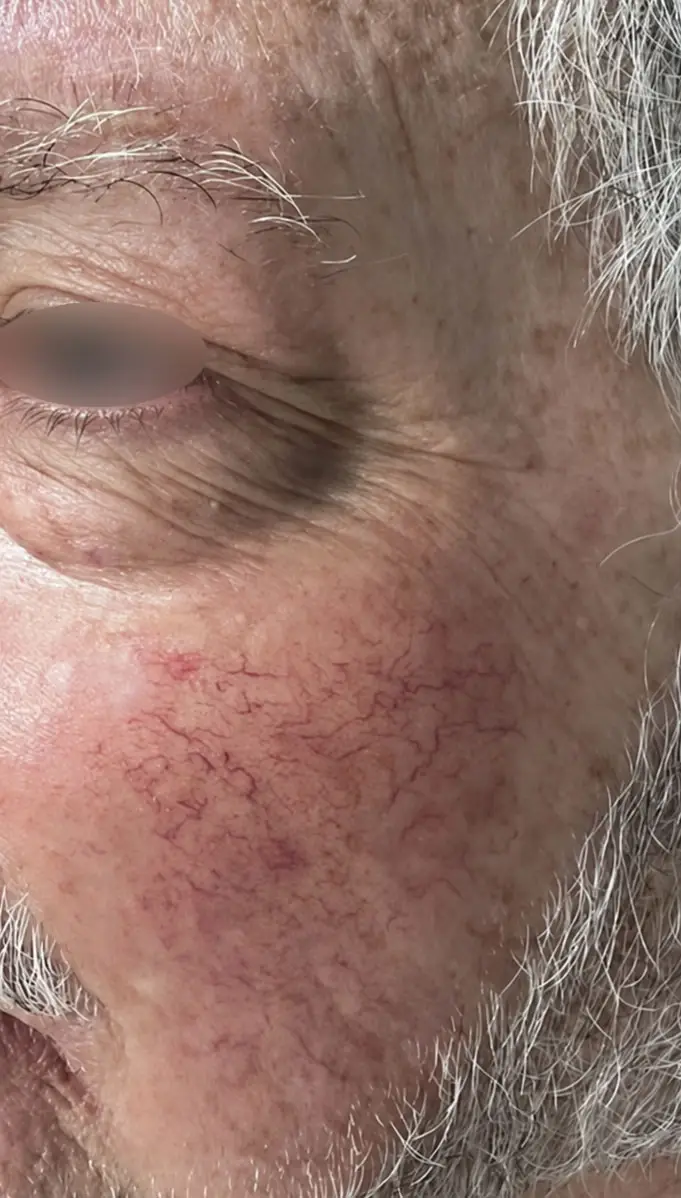
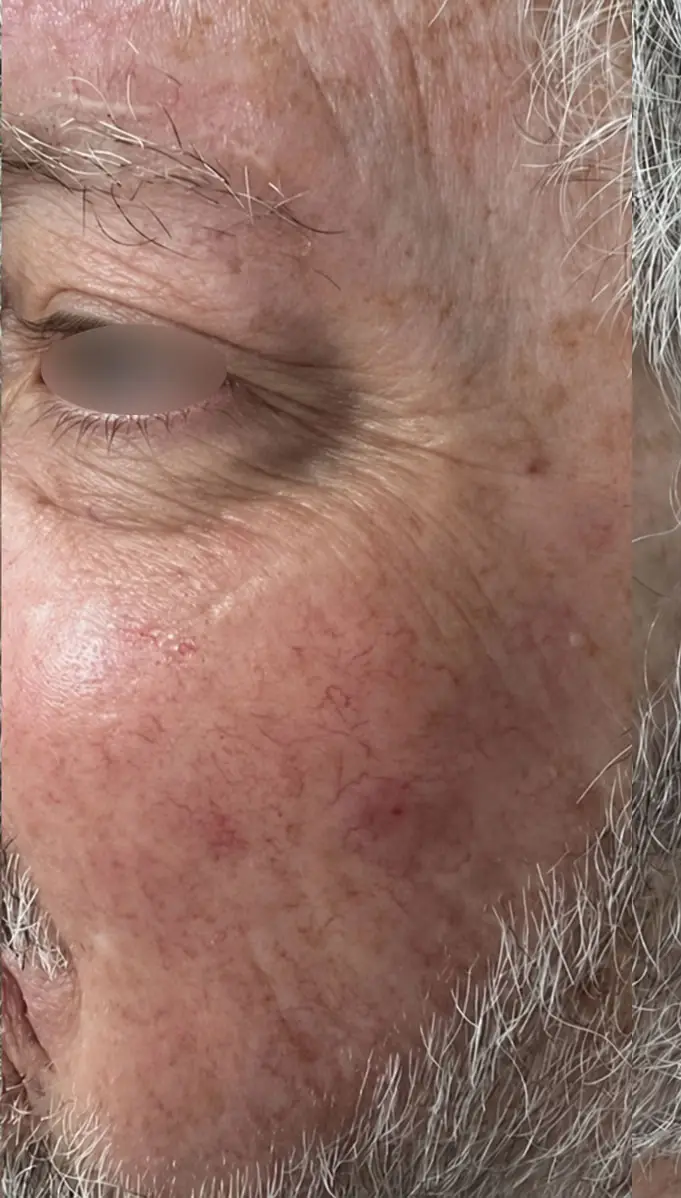
Laser vein removal is a noninvasive treatment designed to reduce visible blood vessels, vascular lesions and unwanted redness. The treatment uses carefully selected laser energy to target blood vessels beneath the skin while limiting damage to the surrounding tissue.
Depending on the concern being treated, laser therapy can help create a clearer, more even-looking complexion with little to no downtime.
Laser vein removal may be used to improve a variety of vascular concerns, including:
A consultation is necessary to determine whether your concern can be treated safely and effectively with laser therapy.
Vascular lasers produce specific wavelengths of light that are absorbed by the blood within the targeted vessel. This light is converted into heat, causing the vessel to coagulate and close.
The treated vessel is then gradually broken down and absorbed through the body’s natural processes. Because the laser is attracted to the color within the blood vessel, the surrounding skin receives less heat and remains largely unaffected.
Laser vein removal may be performed on many areas of the face and body, including the:
Treatment may be used for a single isolated lesion or a larger area of diffuse redness. Larger, raised varicose veins or leg veins associated with pain, swelling or other symptoms may require a separate vascular evaluation and a different type of treatment.
Before treatment, your provider will examine the area and select laser settings based on the type, size, depth and color of the vessels, as well as your natural skin tone.
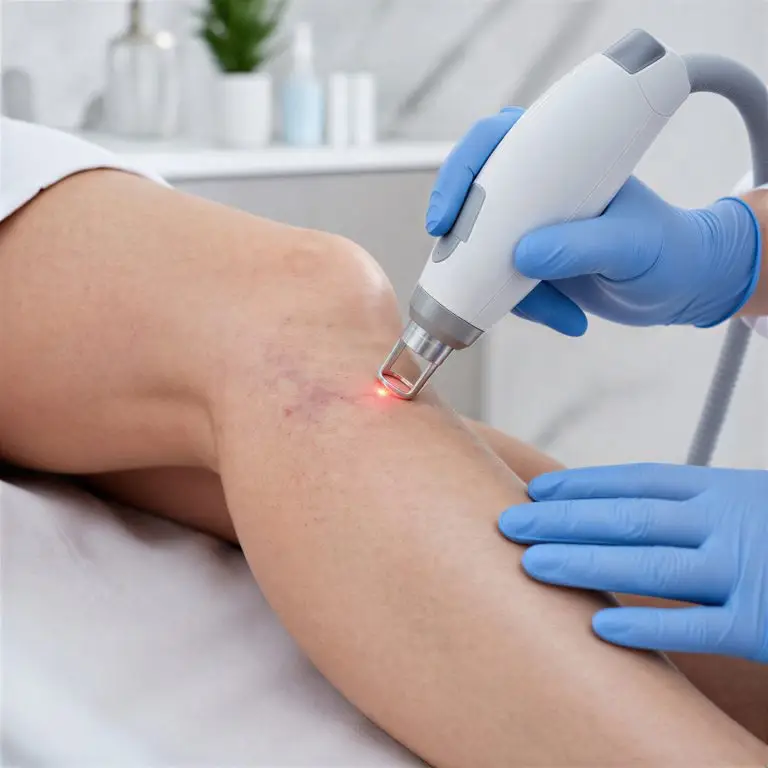
Protective eyewear is worn during the procedure. The laser handpiece is then placed over the targeted area, delivering brief pulses of energy to the visible vessels.
Treatment time can range from approximately five to 30 minutes. A single cherry angioma may require only a few moments, while treating widespread facial redness may take longer.
Most patients experience minimal discomfort. Each laser pulse may feel like a brief sting, snap or burst of warmth against the skin.
The laser’s built-in cooling system helps protect the skin and improve comfort. Additional cold air may also be directed onto the treatment area throughout the procedure.
The number of treatments needed depends on the type of vascular concern, the size and depth of the vessels, the treatment area and how your skin responds.
A small cherry angioma or isolated vessel may improve after one session. Diffuse redness, rosacea, port-wine stains, vascular malformations and leg veins may require a series of treatments.
Your provider will recommend a personalized treatment schedule during your consultation.
Some vessels may appear darker or more noticeable immediately after treatment before gradually fading. Facial lesions may begin improving within approximately one week, with more complete results developing over the following four weeks.
Treated leg veins may require up to eight weeks to fade as the body gradually absorbs them. Results and healing times vary depending on the size, depth and location of the vessels.
Laser vein removal typically involves minimal to no downtime. Most patients can return to work and resume their normal daily activities shortly after treatment.
Temporary effects may include:
Purpura, which appears as purple or bruise-like spots, may occasionally develop. Blistering is uncommon but can occur, particularly when the skin is recently tanned or receives excessive heat.
Makeup can generally be applied after treatment when the skin is intact, although you should follow the instructions provided by your treatment team.
Blood vessels that respond successfully to treatment may remain significantly reduced. However, laser treatment cannot prevent new vessels or redness from developing in the future.
Sun exposure, heat, skin injuries, genetics, aging, hormonal changes and chronic conditions such as rosacea can contribute to the formation of new visible vessels. Periodic maintenance treatments may be recommended to preserve your results.
Proper preparation can reduce the risk of burns, blistering and unwanted changes in skin color.
Before your appointment:
Treatment may need to be postponed if the skin is sunburned or actively tanned.
The treated skin may be temporarily sensitive. Follow your provider’s instructions carefully to support healing and reduce complications.
After treatment:
A cool compress may be used to relieve temporary warmth or swelling when recommended by your provider.
Laser vein removal may be appropriate for patients who want to reduce visible vessels, isolated vascular lesions or persistent redness on the face or body.
The ideal treatment method and laser settings depend on the color and depth of the blood vessels, the treatment location and the amount of pigment naturally present in the skin.
Treatment may need to be postponed or modified if you:
Some vascular lasers carry a greater risk of temporary or lasting pigmentation changes in deeper skin tones. This does not automatically exclude every patient, but careful evaluation, appropriate laser selection and customized treatment settings are essential.
Laser vein removal can often be combined with other cosmetic or dermatologic services. Depending on your treatment plan, multiple procedures may be performed during the same visit or scheduled separately to allow the skin time to recover.
Your provider will recommend the safest sequence based on the treatments being considered and the condition of your skin.
Laser vein removal offers a quick, noninvasive way to address visible vessels, vascular lesions and persistent redness with minimal downtime. The Dermatology Clinic can evaluate your concerns and create a personalized treatment plan based on your skin type and desired results. Contact us today to get scheduled.
We would love to get started on a solution that perfectly fits your needs.