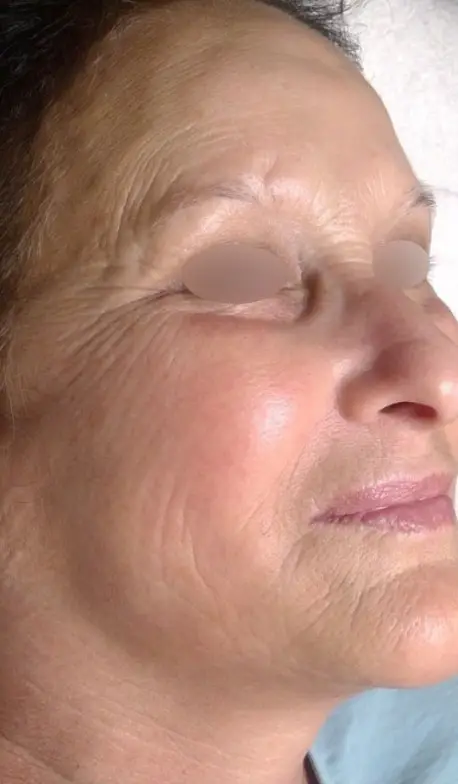
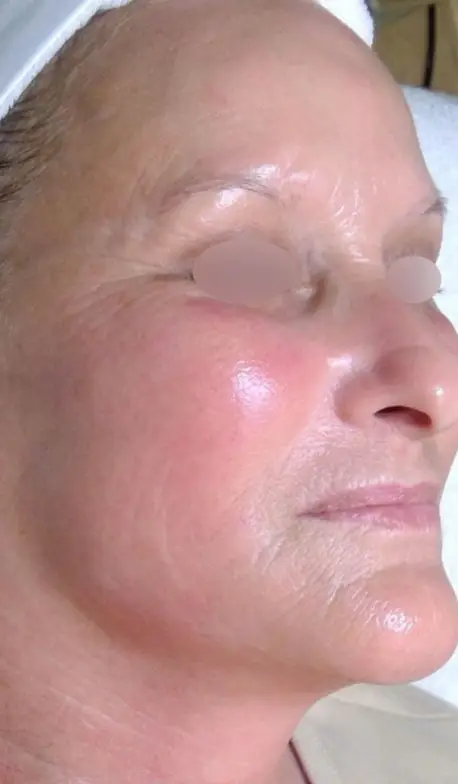
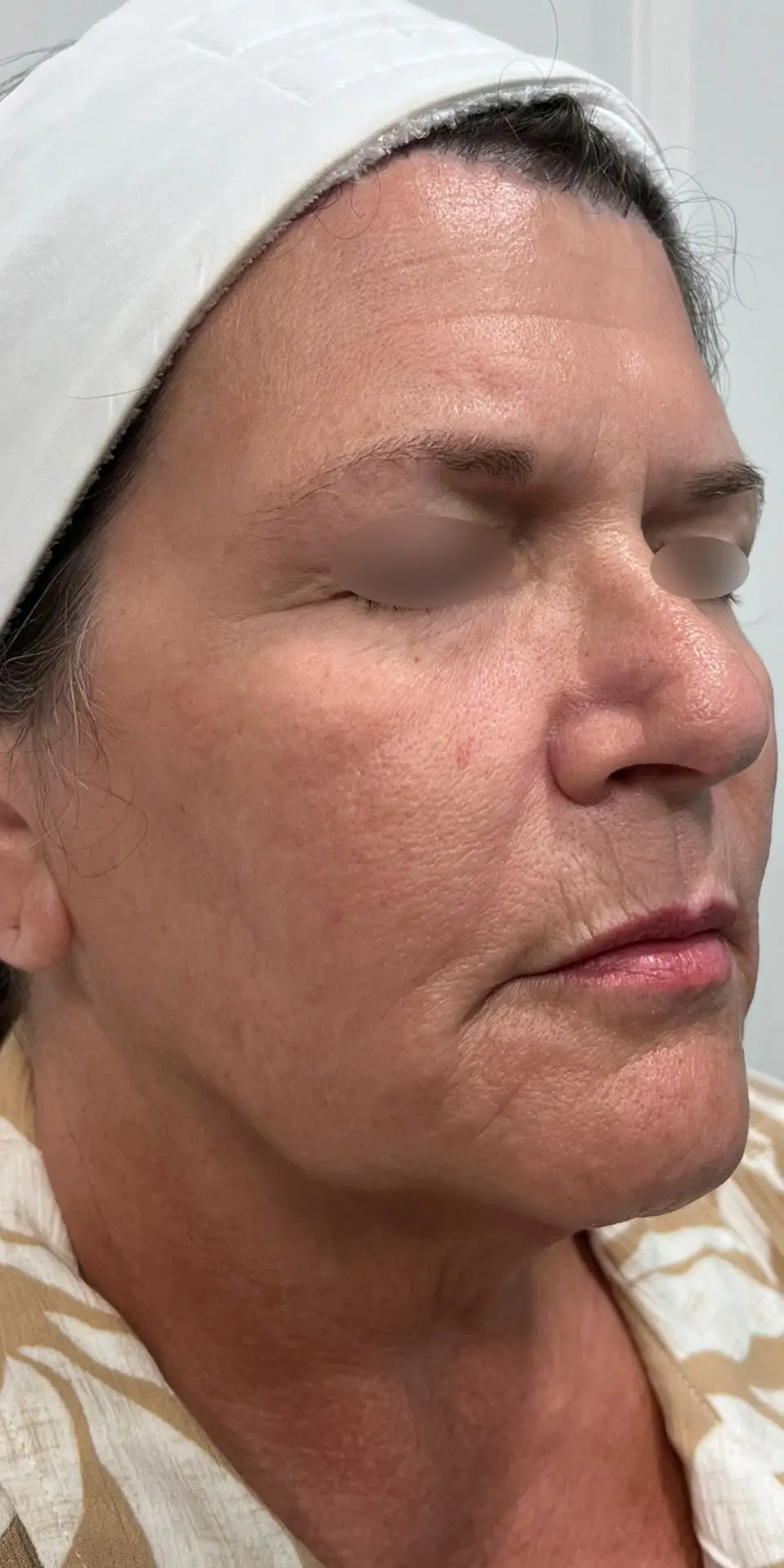
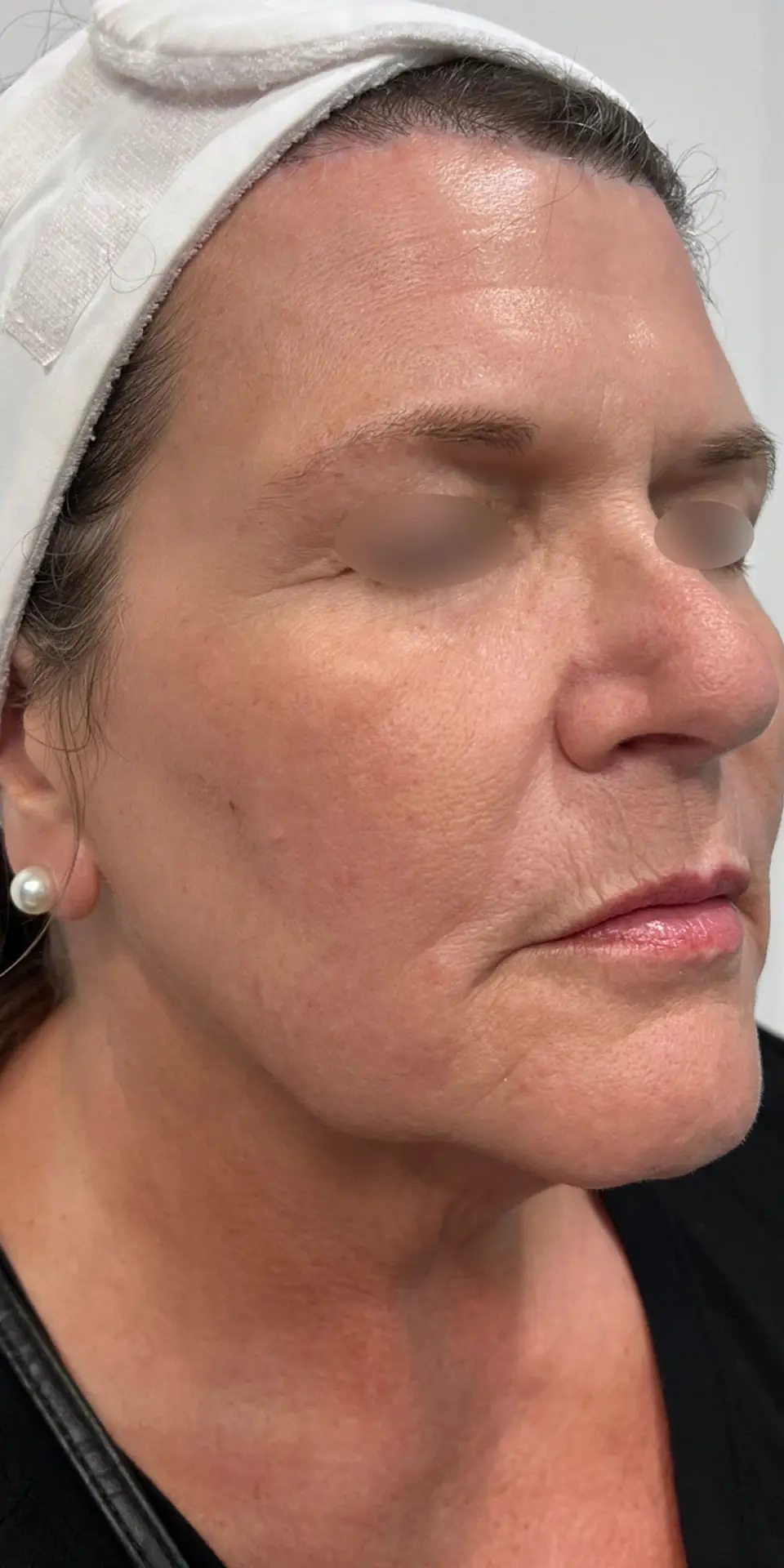
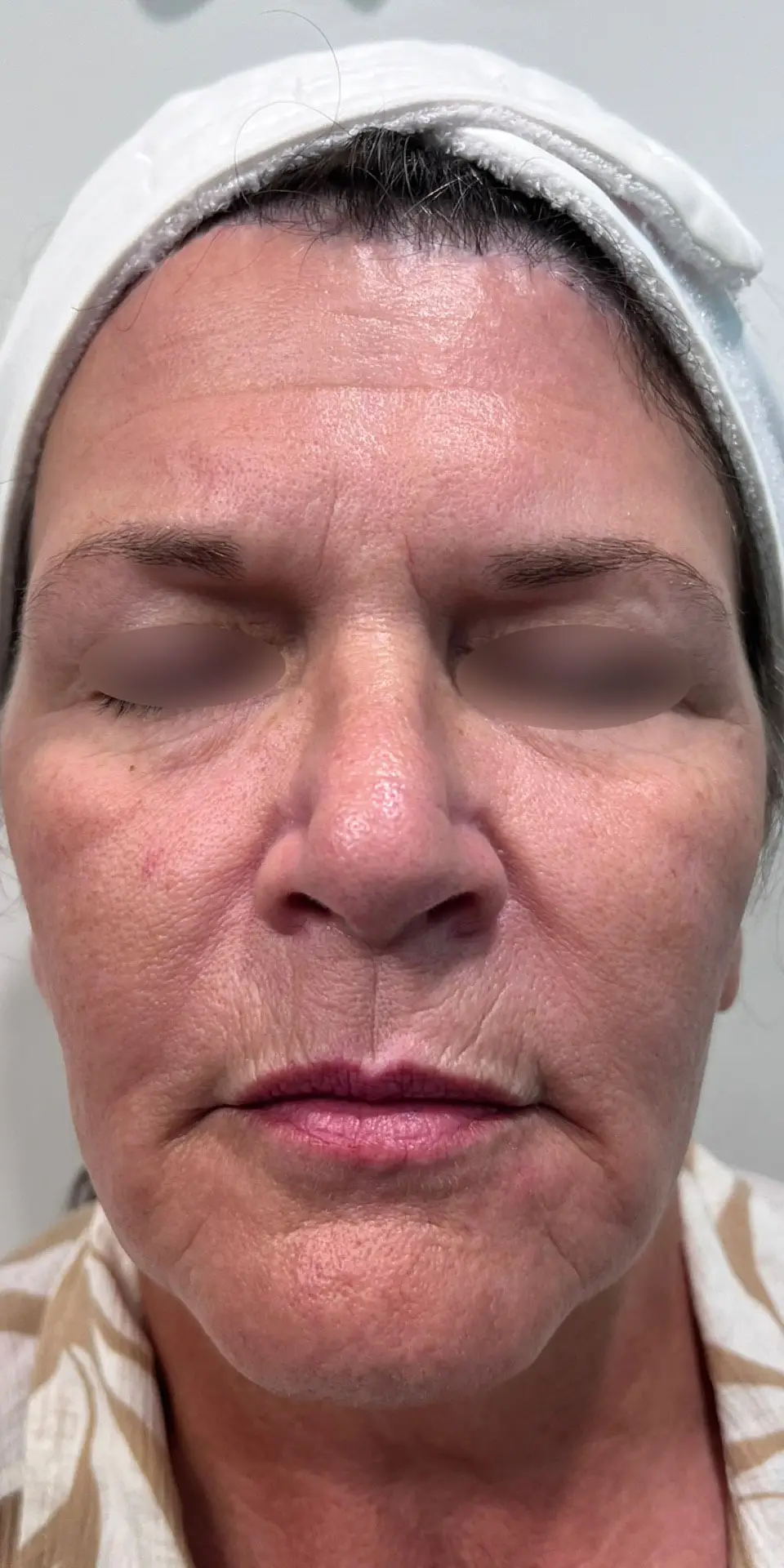
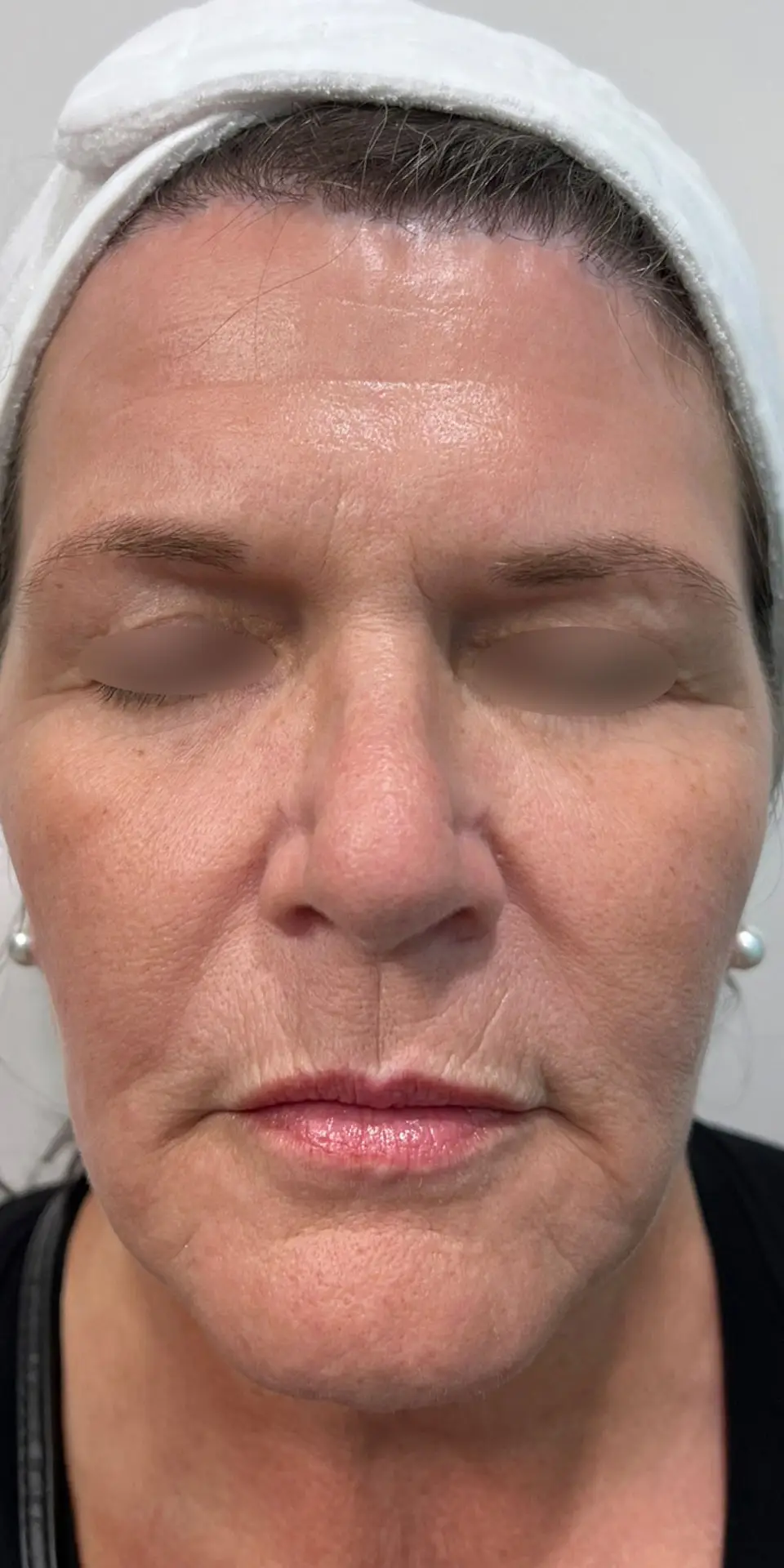
Opus Plasma is an advanced skin-resurfacing treatment designed to improve skin texture, firmness and overall quality with less downtime than more aggressive resurfacing procedures. Unlike a traditional laser, Opus Plasma uses fractional radiofrequency energy to create controlled micro-injuries within the skin.
These micro-injuries activate the body’s natural healing process and stimulate the production of new collagen and elastin. As the skin renews itself, it can gradually appear smoother, tighter, firmer and more refreshed.
Opus Plasma delivers fractional radiofrequency energy through a specialized applicator. The energy creates tiny channels within the skin while gently heating the surrounding tissue.
Because only a fraction of the skin is treated at one time, the surrounding healthy tissue helps support a faster healing response. The treatment depth and intensity can be customized according to the treatment area, the condition of your skin and the results you would like to achieve.
The combination of resurfacing and controlled heating helps improve the skin’s surface while encouraging collagen renewal beneath it.
Opus Plasma may be used to address:
The treatment can be adjusted for lighter rejuvenation or more intensive resurfacing based on your skin and aesthetic goals.
Opus Plasma can be used on many areas of the face and body. Common treatment areas include the:
Delicate areas, including the skin around the eyes, require careful evaluation and customized settings.
Before treatment, your provider will cleanse your skin and evaluate the areas being addressed. A topical numbing cream may be applied to help keep you comfortable, depending on the treatment intensity.
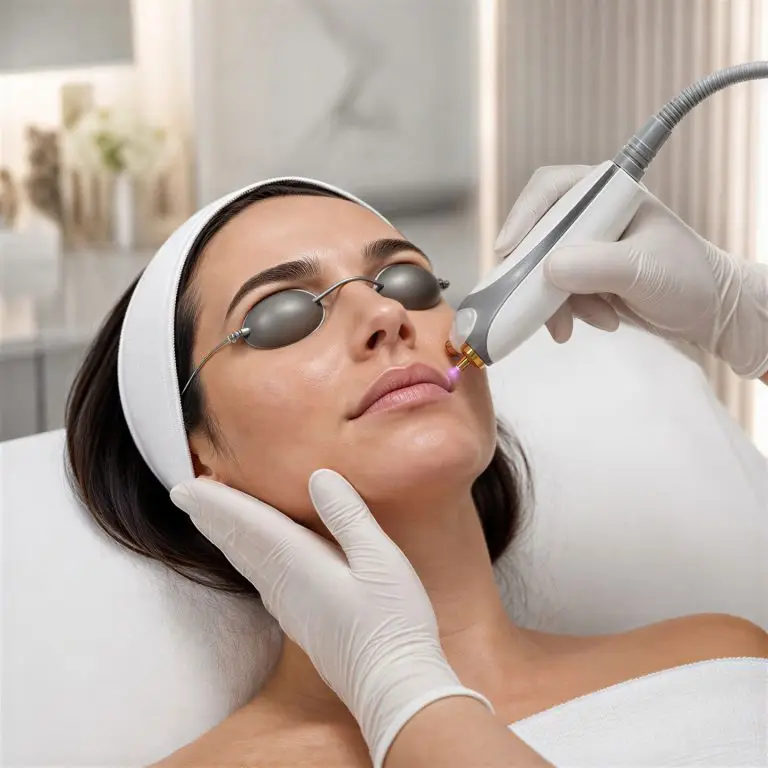
The Opus Plasma applicator is then passed across the skin, delivering a series of controlled radiofrequency pulses. You may feel warmth, pressure, prickling or brief snapping sensations as the energy is delivered.
Treatment time varies according to the size and number of areas being treated. A smaller area may require only a brief appointment, while a full-face or combined-area treatment may take longer.
Comfort levels vary depending on the treatment area, energy settings and individual sensitivity. Many patients describe the sensation as warmth accompanied by light prickling or brief snaps against the skin.
A topical anesthetic may be used for more intensive treatments. Your provider can also customize the settings to balance comfort, recovery time and your desired results.
Downtime depends on how aggressively the skin is treated. A lighter session may cause only temporary redness and sensitivity, while deeper resurfacing may involve several days of more noticeable healing.
Temporary effects may include:
The treated skin may resemble a mild to moderate sunburn immediately after the procedure. Your provider will explain what level of recovery to expect based on your treatment plan.
Some patients notice that their skin looks smoother or more refreshed after the initial healing period. Collagen production continues gradually, so additional tightening and textural improvement may develop over the following weeks and months.
Results vary depending on:
Because collagen remodeling takes time, the final result is not immediate.
Some patients may notice meaningful improvement after one treatment, while others benefit from a series of sessions. The number of treatments recommended depends on the severity of your concerns and the degree of improvement you would like to achieve.
More noticeable wrinkles, scarring, stretch marks or skin laxity may require multiple sessions. Your provider will develop a personalized treatment schedule following an evaluation of your skin.
The collagen produced in response to treatment may provide long-lasting improvement. However, Opus Plasma does not stop the natural aging process or prevent future sun and environmental damage.
Daily sun protection, an appropriate skin care routine and periodic maintenance treatments can help preserve your results.
Before your appointment:
Your provider may give you additional instructions based on your medical history and planned treatment intensity.
Your skin will be more sensitive while it heals. Follow all aftercare instructions provided by your treatment team.
You may be advised to:
Contact the office if you experience blistering, increasing pain, drainage, significant swelling or another unexpected reaction.
Opus Plasma may be appropriate for adults who want to improve skin texture, fine lines, mild laxity, scars, stretch marks or other signs of aging without undergoing surgery.
The technology can be customized for a wide range of skin tones, but every patient requires an individual evaluation. Your provider will select settings based on your natural skin tone, treatment area, medical history and desired level of resurfacing.
Treatment may need to be postponed or avoided if you:
Provide a complete medical history during your consultation so your provider can determine whether treatment can be performed safely.
Opus Plasma may be combined with injectable treatments, skin care procedures or other aesthetic services as part of a comprehensive rejuvenation plan.
Some treatments may need to be scheduled separately to allow the skin enough time to heal. Your provider will recommend the safest order and timing based on your goals and the procedures being considered.
Opus Plasma offers a customizable approach to skin resurfacing and tightening with less downtime than many traditional resurfacing procedures. The Dermatology Clinic can evaluate your skin, discuss your aesthetic goals and create a personalized treatment plan to help you achieve smoother, firmer and more refreshed-looking skin. Contact us today to get scheduled.
We would love to get started on a solution that perfectly fits your needs.