

Summer may be winding down, but the effects of months spent outdoors do not disappear with the season. Beach days, yardwork, boating, sports and everyday sun exposure can add up – particularly along the Mississippi Gulf Coast, where outdoor activities are part of life throughout much of the year.
Fall can be a useful time to pay closer attention to your skin. As schedules return to normal after summer, take a few minutes to look for spots that are new, changing or simply different from the rest.
A skin check with a dermatology provider can also help identify areas that deserve closer examination.
Ultraviolet radiation from the sun damages skin cells. Your skin can repair some of this damage, but repeated UV exposure accumulates over time.
Sun damage does not require a severe sunburn. Routine exposure throughout the years also contributes.
Cumulative UV exposure can lead to:
This is why sun protection matters throughout life – and why a history of previous sun exposure remains relevant even if you are careful about sunscreen today.
Summer often means more time outside and more UV exposure.
A post-summer skin check gives you an opportunity to become familiar with what is currently on your skin and identify anything that appears to have changed.
Pay particular attention to areas that receive significant sun exposure, including the:
Skin cancer can develop in areas that receive little or no regular sun exposure as well, so a self-exam should not stop with the areas that are easiest to see.
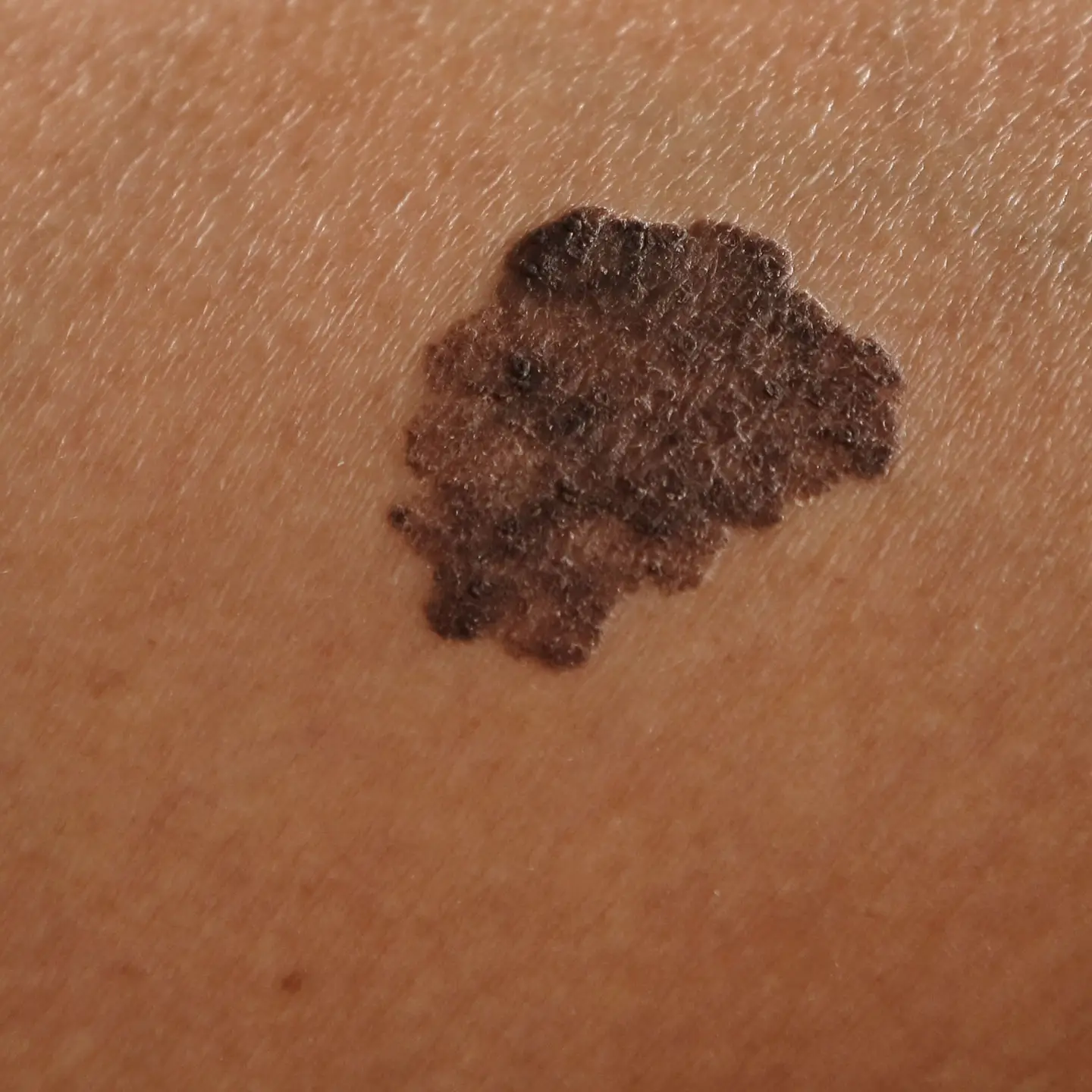
The ABCDE method is a useful way to remember some of the warning signs associated with melanoma.
Of these signs, change is particularly important. A mole you have had for years that begins changing deserves attention.
The ABCDE method is helpful, but not every skin cancer follows these rules.
Another useful approach is to look for a spot that appears different from your other moles.
Most of a person’s moles tend to share certain characteristics. A growth that looks noticeably different from everything around it may warrant closer evaluation.
That does not mean every unusual mole is cancerous. The goal is to recognize something that deserves a professional look rather than trying to diagnose it yourself.
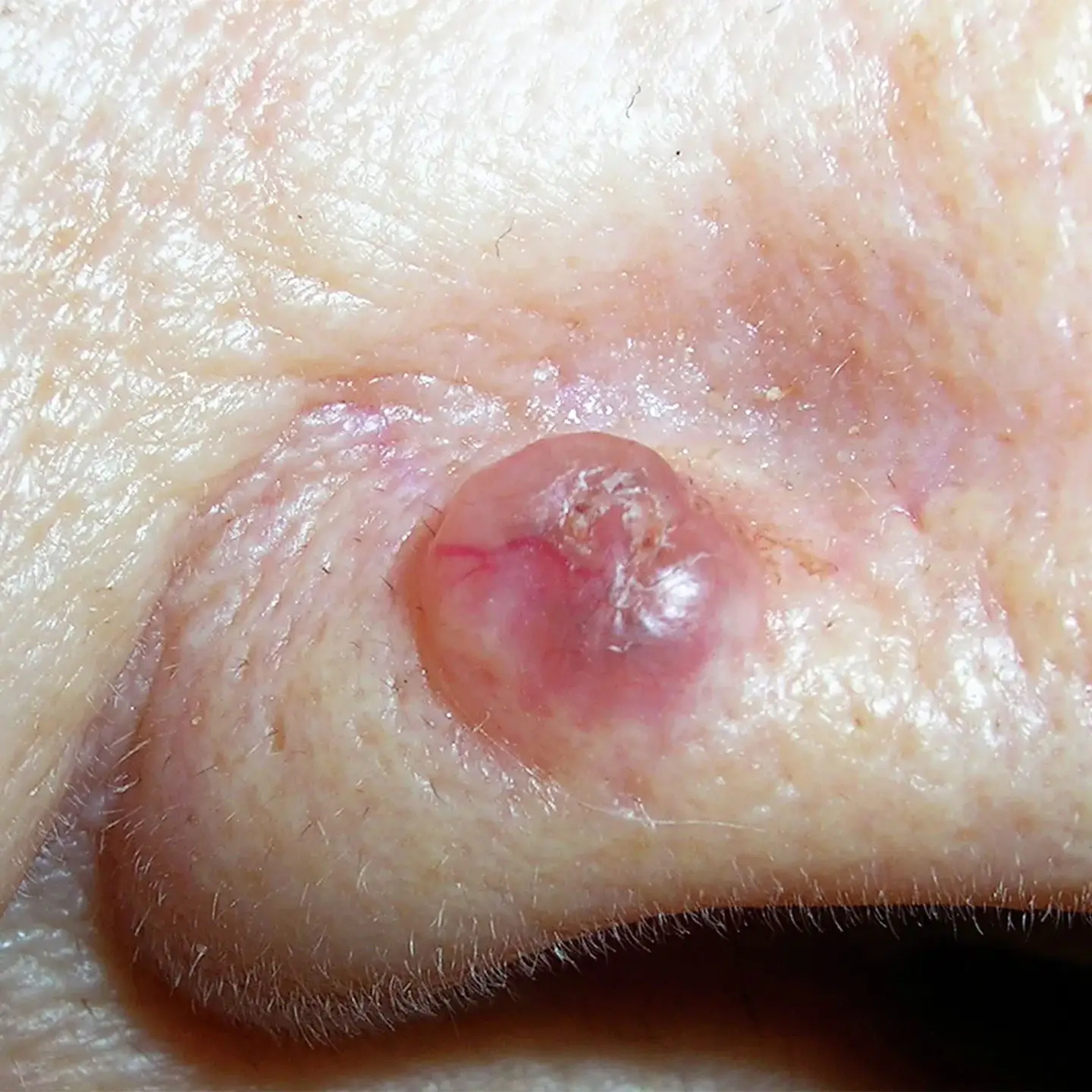
Melanoma receives considerable attention, but it is not the only type of skin cancer.
Basal cell carcinoma and squamous cell carcinoma are also common forms of skin cancer, and they can look very different from melanoma.
Depending on the type and location, a suspicious area might appear as:
A persistent growth does not have to hurt to deserve attention.
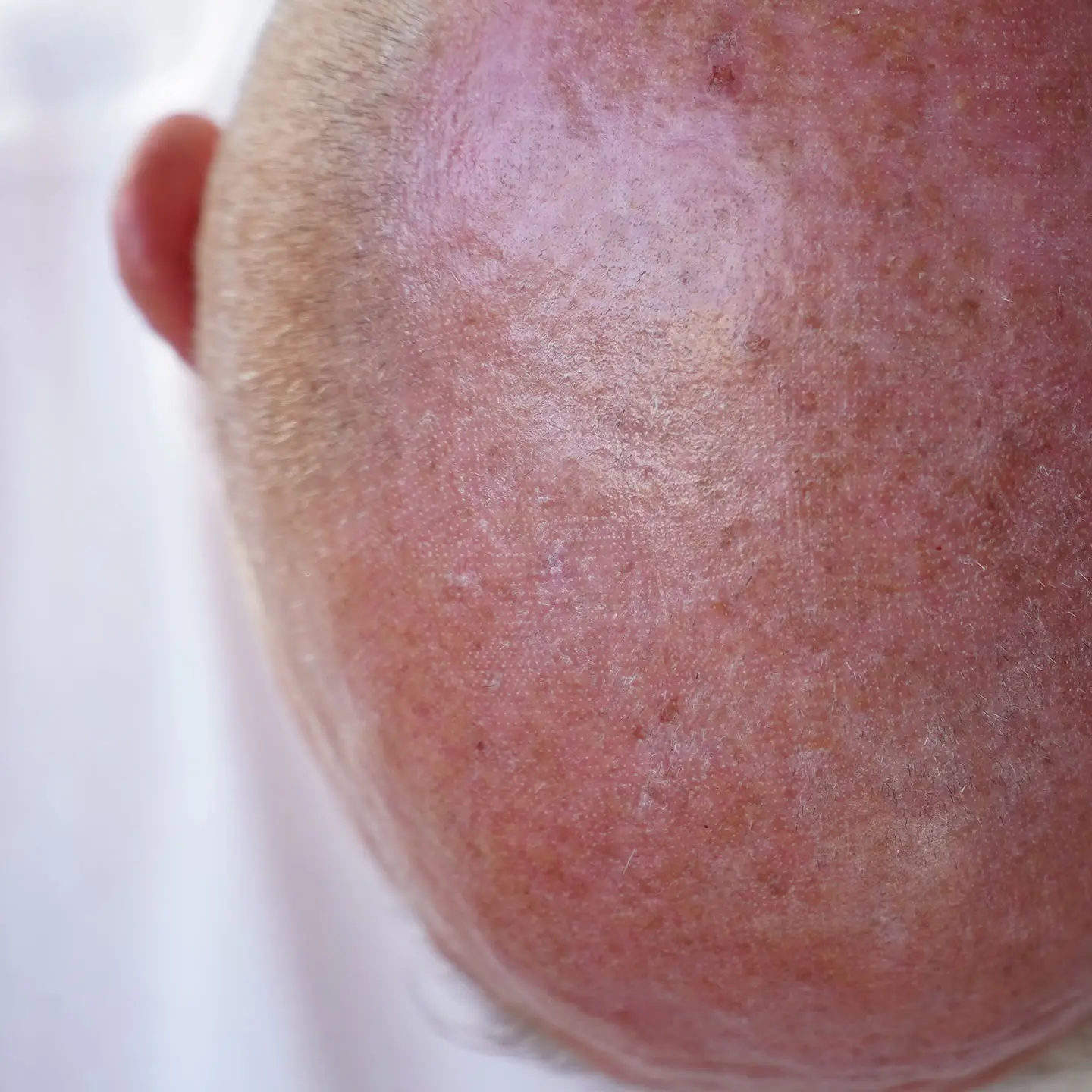
Rough or scaly areas on chronically sun-exposed skin may sometimes be actinic keratoses.
These growths develop as a result of long-term UV exposure and are considered precancerous because some can progress to squamous cell carcinoma.
They commonly occur on areas such as the face, ears, scalp, forearms and backs of the hands.
An actinic keratosis may feel rough before it becomes particularly noticeable visually. If you repeatedly notice a dry or scaly spot in the same location that does not resolve with moisturizer, have it evaluated rather than continually treating it as dry skin.
Anyone can develop skin cancer, regardless of skin tone.
Some factors can increase risk, including:
People with darker skin tones can also develop skin cancer, and diagnosis may occur in areas that receive less sun exposure.
Your individual risk factors can help a dermatology provider determine how frequently professional skin examinations may be appropriate for you.
Choose a well-lit room and use both a full-length mirror and a hand mirror when possible.
Work systematically rather than checking only the spots you happen to notice.
Examine your:
A partner can help check areas that are difficult to see.
If you have many moles, taking clear photographs can make it easier to recognize changes over time. Photos should complement rather than replace professional evaluation of a concerning spot.
Schedule an appointment when you notice a growth that:
You do not need to wait for a spot to meet every warning sign before having it evaluated.
When in doubt, having a dermatology provider look at the area is safer than relying on photographs or online comparisons to determine what it is.
There is not one screening schedule that is appropriate for everyone.
How often you should receive a professional skin examination depends on factors such as your personal and family history, number and type of moles, previous skin cancers, UV exposure and other individual risk factors.
Someone who has previously had skin cancer, for example, may need more frequent follow-up than someone without the same history.
A dermatology provider can recommend an examination schedule based on your individual risk.
The end of summer does not mean the end of UV exposure.
Continue using a broad-spectrum, water-resistant sunscreen with an SPF of at least 30 on exposed skin. Reapply as directed when spending extended time outdoors and after swimming or sweating.
Other protective measures include:
On the Mississippi Gulf Coast, warm and sunny days continue well beyond the traditional summer months, making year-round sun protection particularly important.
You cannot undo previous sun exposure, but you can protect your skin going forward and pay attention to changes.
As summer ends, take a few minutes to examine your skin from head to toe. Become familiar with your existing spots and make note of anything that has changed.
If you discover a new, changing or unusual growth – or it has simply been a while since your skin was professionally examined – consider scheduling a dermatology appointment. A skin evaluation can help identify suspicious growths and determine whether additional testing or treatment is appropriate.
We would love to get started on a solution that perfectly fits your needs.